



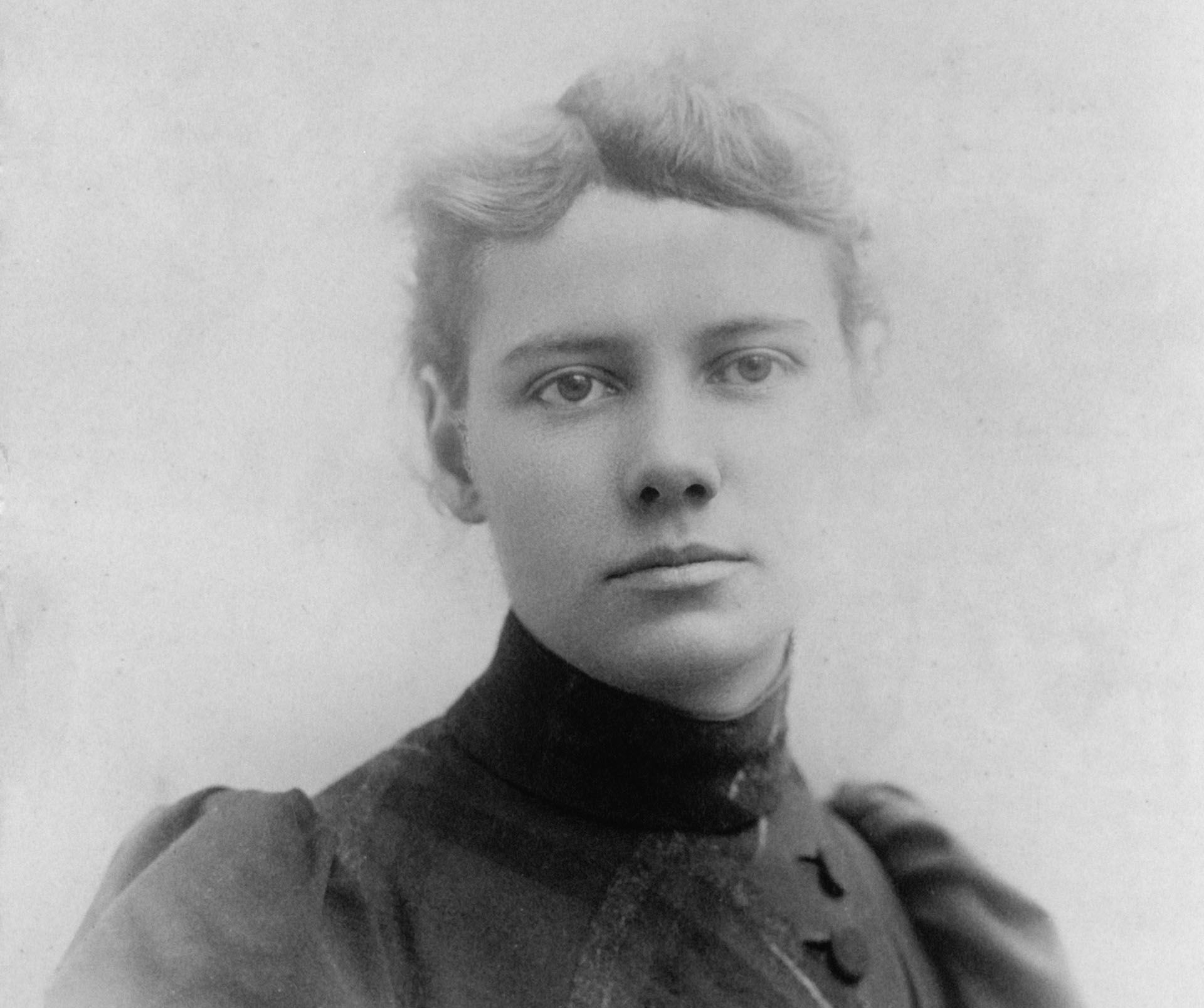
To celebrate Women’s History Month, REACH is recounting the story of a woman whom history has, unfortunately, largely forgotten. Nellie Bly was an investigative journalist and women’s rights advocate who risked her own personal safety to shed light on inhumane practices which were endangering the lives of thousands of women. What follows is the story behind one of Bly’s most famous written pieces: “Ten Days in a Mad-House”
In 1885, the Pittsburgh Dispatch, one of the leading newspapers in the city of Pittsburgh, Pennsylvania, published an editorial titled “What Girls Are Good For.” The article chastised the growing number of women who aspired to seek an education or have a career, suggesting that the only duties they should concern themselves with were keeping the home and birthing children.
Given the less-enlightened times it was written in, the editorial team at the Dispatch likely didn’t expect the article to make many waves. However, a few days later they received a scathing written rebuttal which was submitted anonymously and signed with a pseudonym: “Lonely Orphan Girl.” The Dispatch’s lead editor, George Madden, was so impressed with the passionate and eloquent language contained in the rebuttal, he put out a public advertisement asking the author to come down and identify herself in-person.
One can only imagine Madden’s surprise when the person who showed up to claim credit for the rebuttal wasn’t some seasoned activist or educator, but a young 21-year-old woman named Elizabeth Cochran. Madden offered Cochran the opportunity to write a longer, more formal rebuttal which he would publish in the Dispatch. That rebuttal piece, which Cochran titled “The Girl Puzzle,” once again impressed Madden, and he offered Cochran a full-time job writing under a pen name (women journalists of the time often wrote under pen names to avoid being discredited due to their gender).
Cochran chose the pen name “Nelly Bly” (inspired by the titular song written by American composer Stephen Foster), but her editor accidently wrote “Nellie Bly” when they published her second article, and the incorrect spelling stuck.
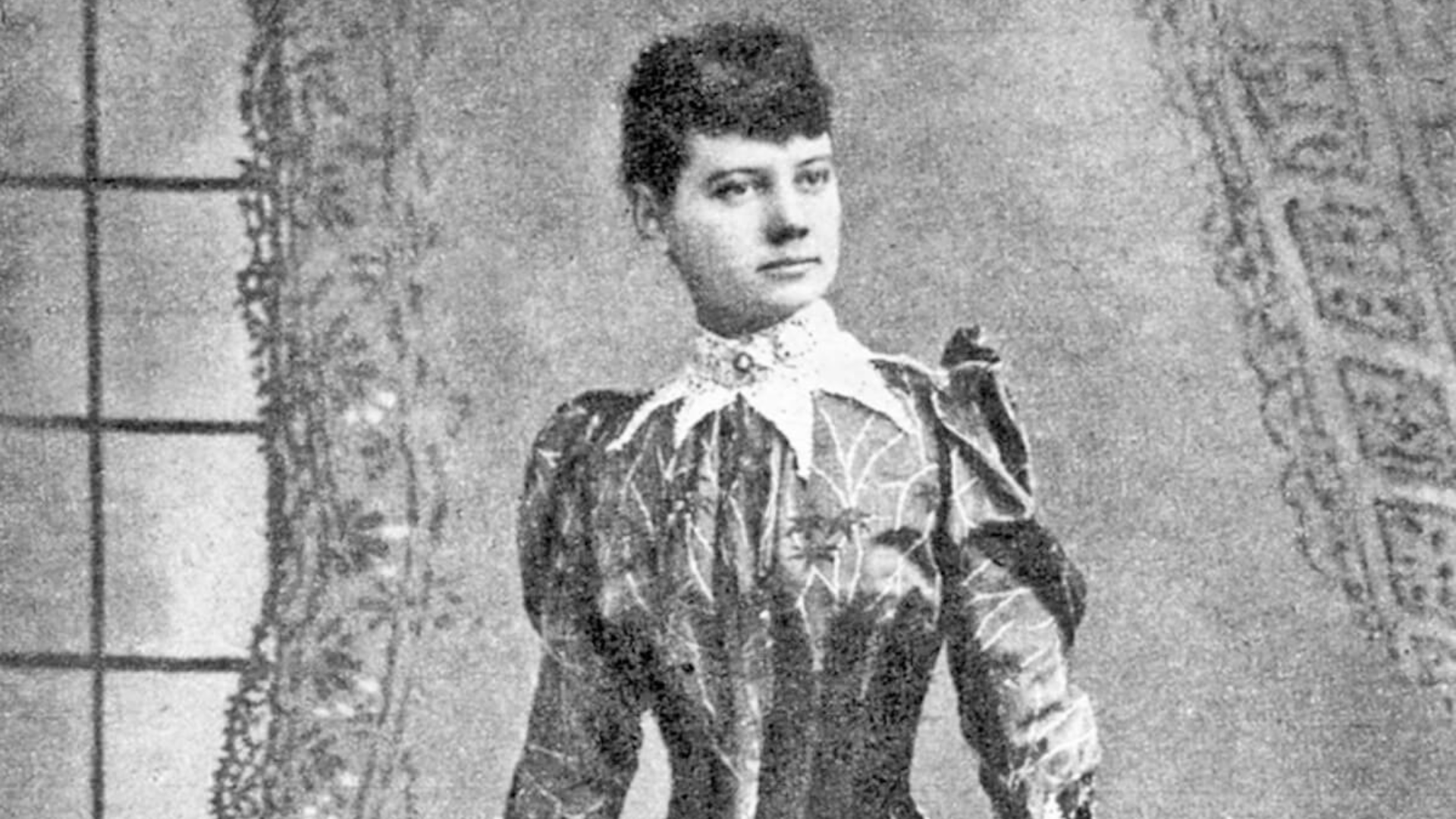
Giving Voice to the Downtrodden
Bly’s early work for the Dispatch consisted largely of investigative pieces exploring the lives of working women in various occupations. Topics she covered included the pressing need for reformed divorce laws (which largely favored men) and how women factory workers (who were often poor and uneducated) were routinely subjected to dangerous working conditions.
When factory owners and company leaders started complaining about Bly’s articles and threatening to pull advertising, the Dispatch’s management tried to reassign her to more traditional “women’s pages” stories centered around fashion, society, and gardening. In response, Bly chose to quit her job at the Dispatch (as the story goes, the first gardening story article she submitted was accompanied by her resignation letter).
Despite the circumstances of her resignation, Bly was still on good terms with George Madden, and they even managed to work out a deal for Bly’s next major undertaking: traveling to Mexico to serve as a foreign correspondent. Bly spent six months writing about the lives and local customs of the Mexican people, making sure to also mention how widespread poverty had become in the country. Bly would then send each report she wrote back to Madden, who published the reports in the Dispatch.
Bly’s insistence on being an outspoken voice for the downtrodden and oppressed soon ran her afoul of the local Mexican government when, in one of her reports, she protested the imprisonment of a local journalist. The journalist had been arrested after his public criticizing of Mexican President Porfirio Díaz, a tyrannical leader who kept Mexico locked in the grip of a violent dictatorship. When Mexican authorities threatened to arrest Bly, she left the country (a few years later, she would gather all the reports she’d written and publish them as a book titled Six Months in Mexico).
Upon her return from Mexico, Bly initially hoped to rejoin the Dispatch, but they were only willing to hire her back on if she agreed to stick with “womanly” subjects such as theater and the arts. Instead, she decided that her next best move would be to find a new publication that wouldn’t try to dictate her journalistic pursuits. So in 1887 Bly packed up her possessions and departed from her home in Pittsburgh, bound for the bright lights of New York City.
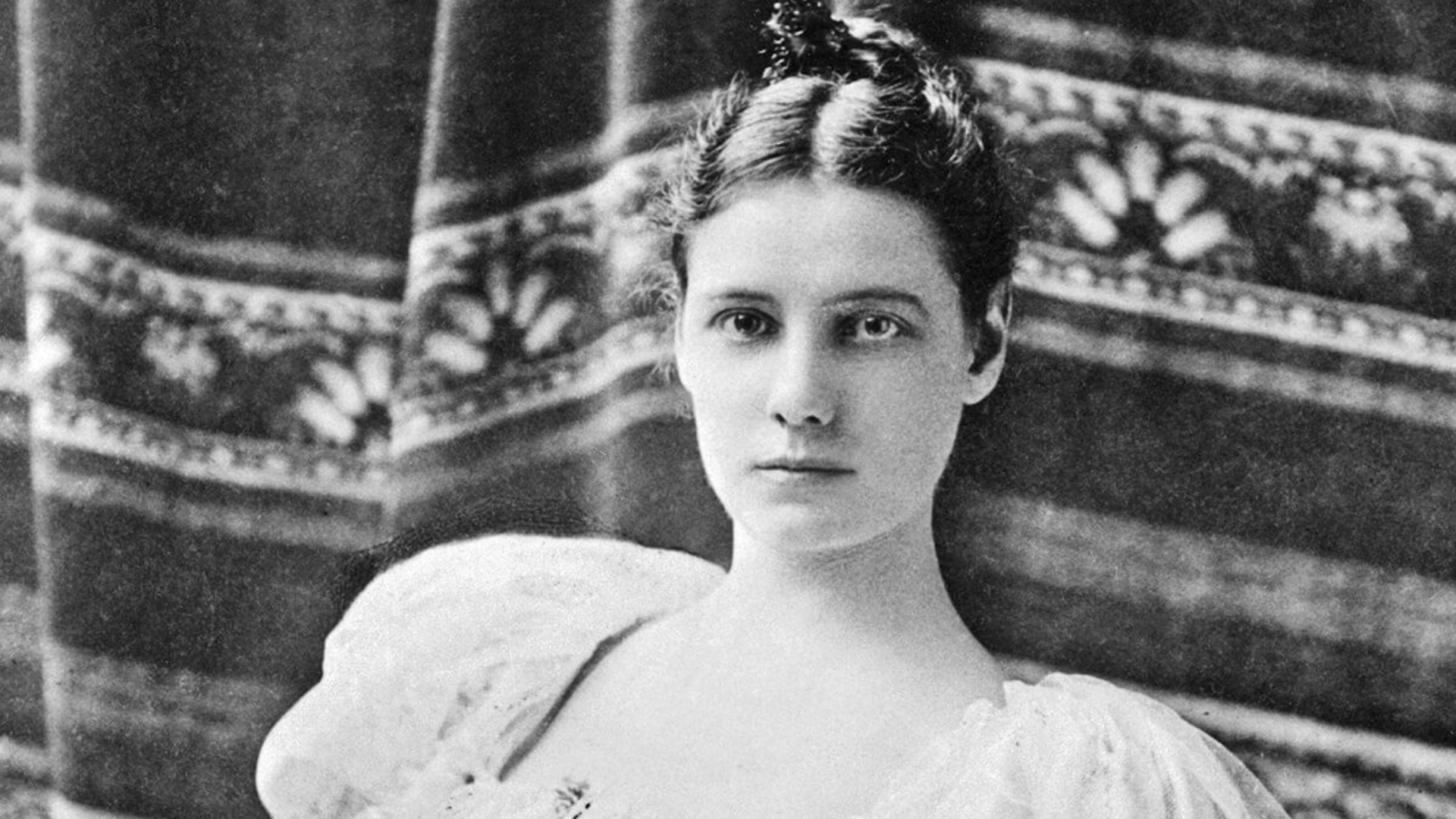
New York, New York
Whatever optimism Bly felt towards her fresh beginning in the Big Apple was quickly stifled by the routine sexism she was already quite accustomed to. Bly spent four months seeking work at every major newspaper she could find, but she was routinely rejected because no major New York editor wanted to hire a woman. Finally, low on funds and desperate, Bly managed to talk her way into the office of John Cockerill, managing editor of the New York World, which was owned by newspaper magnate Joseph Pulitzer (after whom the Pulitzer Prize is named).
Cockerill must have been impressed with Bly’s gumption (much like Madden before him) since he eventually gave her an assignment that Bly, with her previous experience as an undercover investigative journalist who also happened to be a woman, was uniquely qualified for. Reports had come in about supposed mistreatment and neglect of patients by staff at the Women’s Insane Asylum on the nearby Blackwell’s Island (later renamed to Roosevelt Island), and Cockerill wanted to know how accurate those reports were.
It was the exact sort of assignment Bly was looking for, but she knew that the only feasible way she could confirm the accuracy of the reports would be to experience the conditions of the Women’s Insane Asylum herself. In short, Nellie Bly would have to get herself committed.
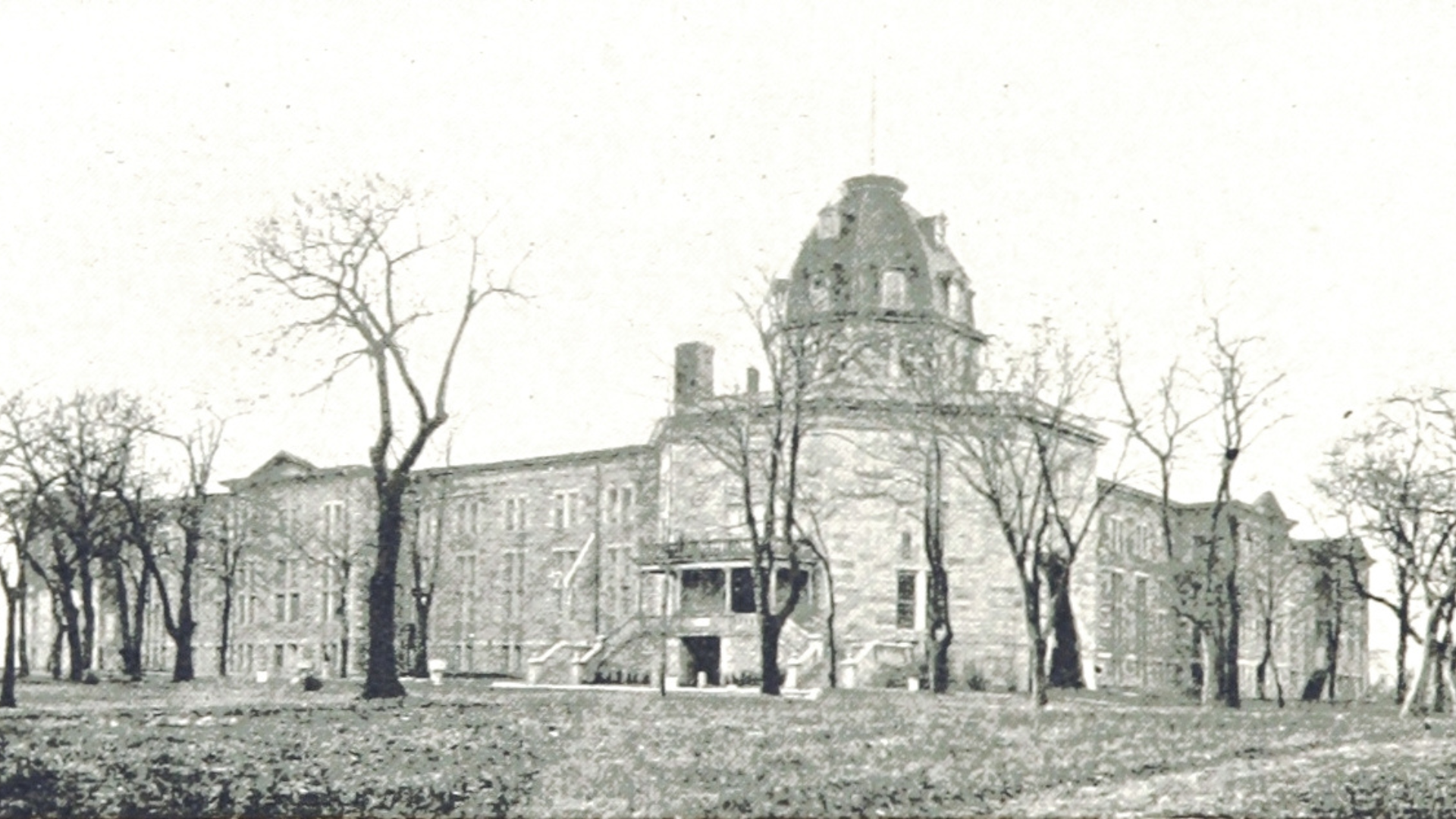
Into the Asylum
Bly was understandably not thrilled at the prospect of having to fake insanity to such a degree that she’d be placed in a facility that, if the reports were true, was rife with patient mistreatment. However, despite her trepidation, Bly was still determined to discover the accuracy of the reports.
Sitting in her room, looking over the personal possessions she likely wouldn’t see for some time, Bly concocted a plan to convince others she was certifiably insane and should thus be shipped off to the Women’s Insane Asylum. Her plan unfolded thusly:
- She started by practicing facial expressions in the mirror, staring at herself with wide eyes, reading snippets of ghost stories to put herself in a more fearful and uneasy state of mind, and staying up all night without sleep to more convincingly appear tired and confused.
- The next day, she checked herself into a boarding house for working women under the alias of “Nellie Brown.” While there, she feigned amnesia, claiming to remember nothing about who she was or how she’d ended up in New York City. She kept stating out loud how she thought the other boarders were all “crazy,” and she refused to sleep despite gentle encouragement from some of the other women.
- It didn’t take long for Bly’s strange and erratic behavior to spook the other boarders so badly that the police were summoned. Bly was brought before a judge and continued to feign amnesia, at which point she was examined by a doctor. Both the judge and the doctor suspected she might have been drugged, and so she was sent to Bellevue Hospital for further evaluation.
- While at Bellevue, Bly continued her routine of feigned amnesia and erratic behavior. Leveraging the Spanish she had learned while in Mexico, she started referring to male hospital staff as “señor” and claiming her home was in Cuba. Two additional doctors examined her, and both ultimately determined she had clearly lost her mind, with one saying she was “positively demented.”
- When her diagnosis of insanity was finally made official, Bly was sent to Bellevue’s “insane pavilion,” where she soon boarded a boat which took her over to the Women’s Insane Asylum on Blackwell’s Island.
Once she was inside the asylum, Bly immediately dropped her “insane person” act. She ceased all her erratic behavior, and she even started making formal and polite requests to the asylum’s staff to be released. However, her sudden return to “normal” behavior was written off as merely another symptom of her mental illness, and her requests for release were ignored. More alarmingly, Bly encountered many other women both in Bellevue’s insane pavilion and in the asylum itself who appeared fully in control of their mental faculties, but who had still been committed against their will (some by abusive husbands, others by family members who could no longer look after them, and some simply because they didn’t speak English).
The conditions that Bly experienced in the asylum were, unfortunately, just as bad as the reports had claimed. Nurses and other staff were verbally abusive and would routinely beat and choke the patients if their orders weren’t followed. Patients had to endure freezing cold weather with the little clothing they were provided, and the food they were given consisted of spoiled meat, moldy bread, gruel broth, and dirty water which often made them sick.
Rats freely wandered the asylum grounds. Patients were “bathed” by having ice-cold water dumped on them (water which was rarely changed and thus perpetually dirty) while they stood in scummy, un-scrubbed baths. Asylum staff took a sick pleasure in purposefully antagonizing more dangerous patients so they’d have an excuse to beat them and restrain them with ropes.
It didn’t take Bly long to note the cruel irony of the asylum’s dismal conditions: that even women who were in their right mind when first sent to the asylum would have their sanity sorely tested by the deplorable “treatment” they received. Treatment which Bly herself said was not that far removed from outright torture. On several occasions, Bly would directly challenge the asylum’s doctors, saying they had no right to keep perfectly sane people (such as herself) against their will. Once again, the doctors waved her off, claiming that every patient in the asylum suffered from “delusions” which sometimes manifested as them appearing sane when they were not.
Finally, after ten days of enduring horrific abuse and spending time with the many women who had been wrongfully committed, salvation came for Nellie Bly. The New York World sent a lawyer to secure her release, and soon Bly was on a boat back to the city. However, the overwhelming relief she felt at finally being free of the asylum was tempered by the knowledge of just how many women she was leaving behind in a place that would surely be the death of them.
Bly knew that no lawyers would be coming to rescue the overwhelming number of women she had met, befriended, and listened to as they told her their stories. These women still needed help, and despite the haggard state she was in after her release, Bly was determined to make sure they got it.
Accounts Given, Reforms Enacted
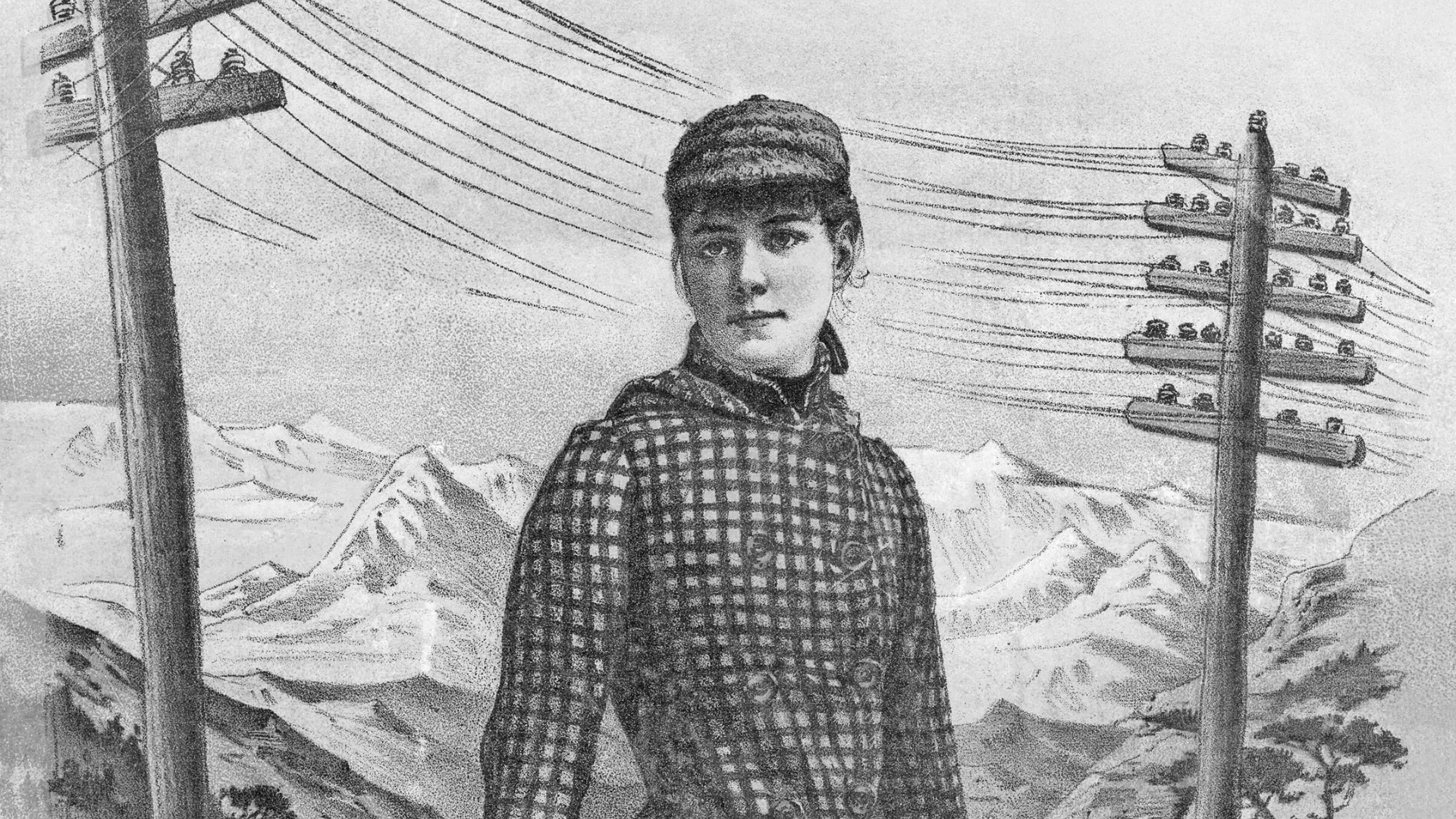
On October 9, 1887, a mere five days after her release from the asylum, Bly published her full recounting of what she’d experienced via a pair of articles in the New York World: “Behind Asylum Bars,” and “Inside The Mad-House.” She would later take those articles and compile them into a book titled “Ten Days in a Mad-House” (a digital public domain version of the book is available via the ‘Sources and References’ section below).
The articles quickly caused an uproar among the New York populace, and Bly was summoned before a Grand Jury so she could provide further clarification on what she’d described in her writing. Based off Bly’s testimony, the Grand Jury called for a formal investigation of both Bellevue’s insane pavilion and of the asylum on Blackwell’s Island, and Bly was all too eager to provide her assistance.
A trip was arranged where Bly would return both to Bellevue and to the asylum while being accompanied by the jurors who had heard her testimony. While the asylum staff weren’t supposed to be informed of the trip beforehand, Bly’s second voyage to Blackwell’s Island made it clear that they’d been tipped off nonetheless.
The patient transport boat Bly and the jurors travelled on was clean and new, unlike the rundown vessel she’d been herded onto the first time around (the staff claimed the old boat was laid up for repairs). Once at the asylum itself, Bly and the jurors found a vastly different facility than the one Bly had described in her articles. Clean rooms and beds, a pristine kitchen stocked with high-quality food, bright new wash basins, it was a picturesque presentation that was hard to refute. But Bly knew that the staff were putting on a show to try and fool the jurors, and that no amount of visual decadence could cover up the lived experiences of the patients themselves.
The cracks started to show when the nurses and staff the jurors interviewed gave conflicting statements about the conditions of the facility as outlined in Bly’s articles. The superintendent in charge of overseeing the asylum claimed he wasn’t aware of the issues that Bly raised even though he routinely visited the island and checked in on the patients. He admitted the food had been low quality and that many of the staff weren’t well trained, but he chalked both issues up to a lack of funding. He also claimed to have discovered that the staff had lookouts on alert for his visits so that he wouldn’t witness some of their crueler practices (he said he’d fired the nurse in charge of these lookouts once they’d been brought to his attention).
Many of the women Bly had been close with during her ten days in the asylum had been conveniently discharged or relocated after she left. However, the jurors did manage to track one down, a Miss Anne Neville, who corroborated Bly’s account and remarked how strange it was how quickly conditions in the asylum improved once staff learned of Bly’s articles and the planned Grand Jury visit.
Bly was worried the Grand Jury might drop their investigation after seeing the newly improved facilities and interviewing the superintendent. Thankfully, the combined strength of Bly’s and Anne Neville’s testimony helped them see through the ruse that the superintendent and staff had attempted to pull with their conveniently timed change in care quality and standards.
The Grand Jury ultimately decided to allocate an additional $850,000 (over $1 million adjusted for modern inflation) to the budget for the Department of Public Charities and Corrections, drastically improving quality of care across the state. They also revised the standards for examining and committing patients to mental health facilities, ensuring that only those with *actual* diagnosable mental conditions were committed.
Special Privileges
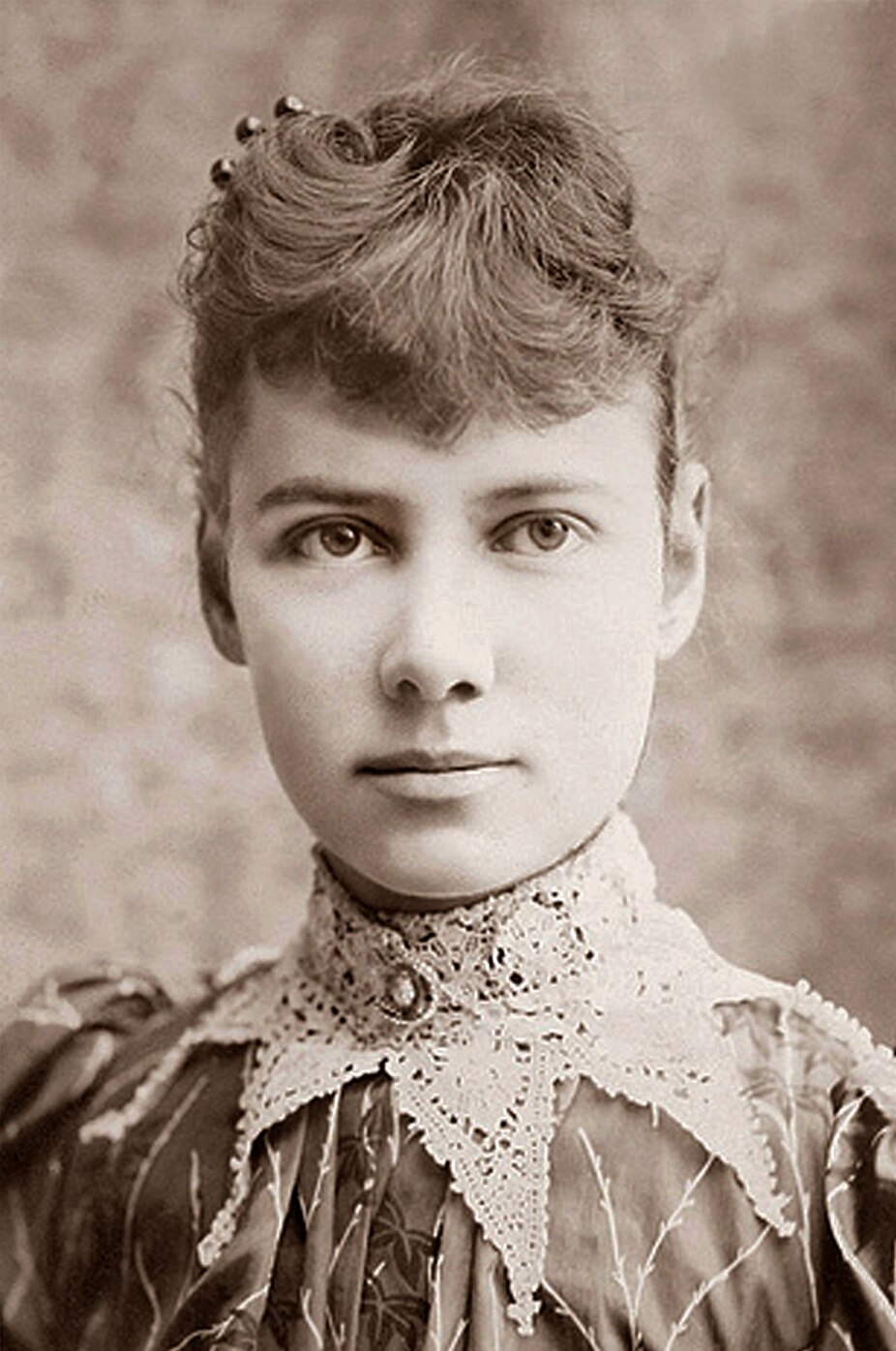
In her fight to reform a broken mental treatment system that was imprisoning thousands of women and condemning many of them to death, Nelly Blie achieved the victory she sought. However, it’s important to note that, despite the horrendous conditions she was exposed to, Bly had several factors working in her favor.
The New York World’s legal team (which, again, was backed by Joseph Pulitzer, one of the most powerful newspaper magnates in the country) was ready to help extricate Bly and ensure her stay in the asylum wasn’t permanent. She was a white woman who had access to connections and resources that none of the other women she’d been locked up with had. At the end of the day, Bly got to go home and continue doing what she loved, but many of the women she met weren’t so lucky.
This isn’t to discount or discredit what Bly did, merely to note how much privilege can factor into the change we seek to enact. The reforms that Bly brought about with her courageous leap into the proverbial lion’s den no doubt saved many women, but her story also lays bare the inherent biases that can make it so easy to ignore institutional wrongdoings.
More on the Incredible Life of Nellie Bly
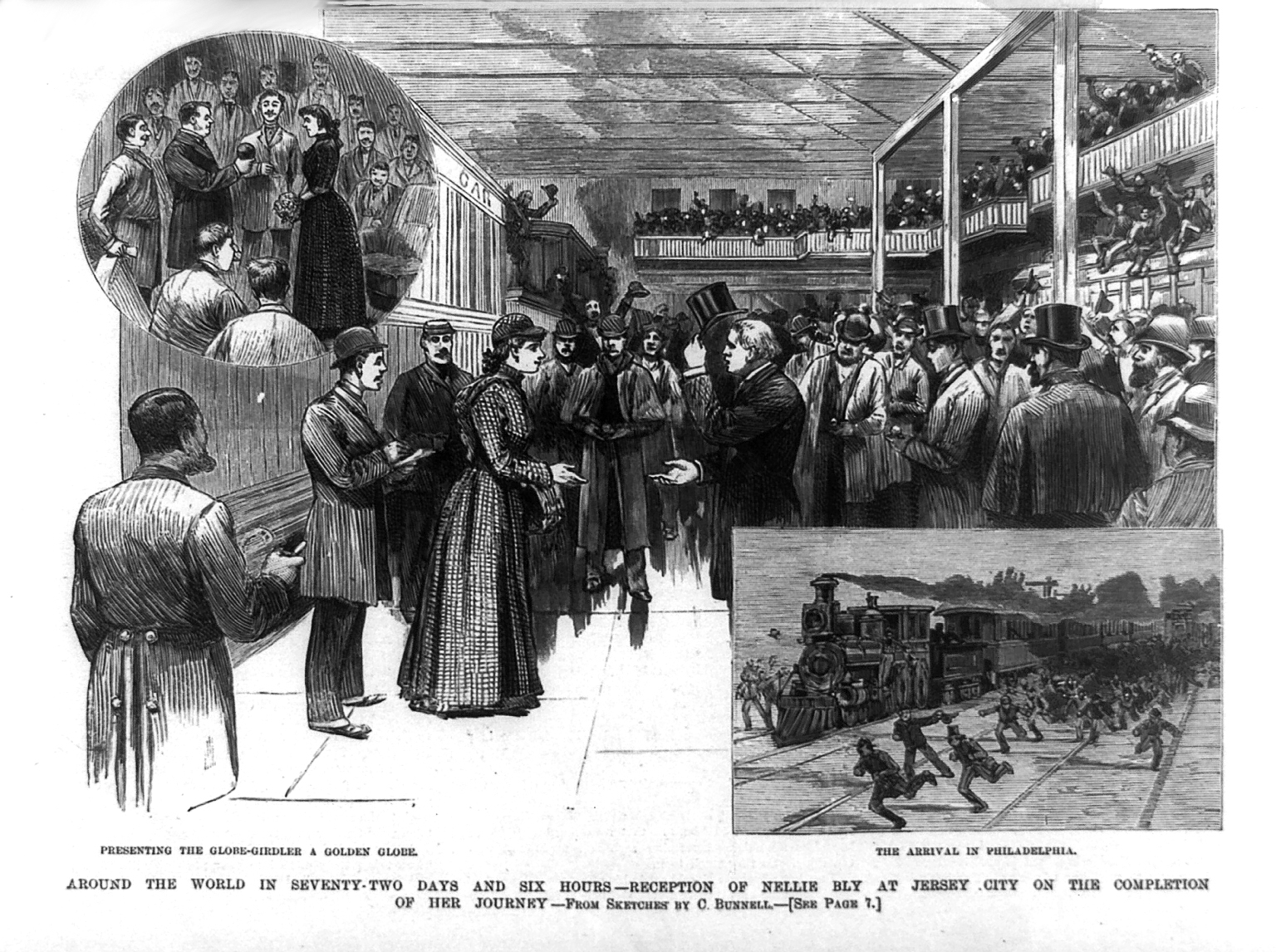
While Bly is most often recognized as the author behind “Ten Days in a Madhouse,” it is far from her only notable accomplishment. Roughly two years after her ordeal in the women’s asylum, Bly embarked on a round-the-world trip to see if it could actually be done in 80 days (having been inspired by the Jules Verne adventure novel Around the World in 80 Days). Bly completed the trip in just 72 days, easily clearing her goal and setting a new world record in the process.
In her later life, Bly inadvertently became the head of a major steel manufacturing company, Iron Clad Manufacturing Co., after marrying the company’s owner, industrialist Robert Seaman, in 1895. Seaman’s poor health led Bly to take over the day-to-day business of running the company, and it was in that role that Bly patented several new inventions (filed under her married name, Elizabeth Cochrane Seaman). Unfortunately, Bly’s poor understanding of the company’s financials combined with rampant fraud within the company led Iron Clan Manufacturing to go bankrupt in 1914.
The outbreak of World War I in 1914 inspired Bly to return to the world of journalism, and in typical Bly fashion she became the first American female war correspondent, writing about her experiences at the war’s front lines. Bly would continue to write as a journalist, largely covering the women’s suffrage movement and other local women’s aid causes, up until her death in 1922 at the age of 57.
In all aspects of her life, Nellie Bly was a fearless trailblazer who saw the inherent sexism and misogyny she encountered not as barriers to keep her out, but as problems to be solved. All her life she’d been told what women could and couldn’t do, and all her life she routinely proved her critics wrong. Nellie Bly is a shining example of advocacy in action, not just for herself but also for the many, many women she helped. As an organization which wholly embraces the idea of changing harmful social norms through advocacy, REACH is proud to remember Nellie Bly and the positive change she stood for.
Sources and References
Ten Days in a Madhouse by Nellie Bly
Nellie Bly: The Pioneer Woman Journalist
