



While this blog post was written for the 2026 state primary and general elections in Massachusetts, the survivor support materials and resources are designed to be evergreen and applicable to any major election in the state.
Massachusetts residents are heading to the polls soon, first on September 1 for the state primary, and again on November 3 for the general midterm election. Every Massachusetts citizen has a right to vote, but limiting or even preventing a person’s ability to vote is just one of the many ways a domestic abuser may try to maintain their sense of power and control.
This blog post covers what domestic violence survivors should know when voting, and how they can prepare to vote in a timely and safe manner.
When, Where, and How to Vote
Key dates to note for the September 1 primary election:
- Voter registration deadline: August 22
- Early voting: August 22–28
- Vote-by-mail application deadline: August 25 at 5:00 p.m.
- State Primary Election Day: September 1
If you’re a Massachusetts resident and you haven’t registered to vote, or you’re not sure of your voter registration status, you can get started over at the Massachusetts Secretary of the Commonwealth website. You can also use the website to update your voter registration, apply to vote by mail, track your mail-in ballot, and view upcoming elections.
You can use this ‘Find my election information’ tool to determine where you should go to vote depending on where in Massachusetts you live. Polling locations are typically open from 7am to 8pm (some locations open as early as 5:45am depending on which city or town you’re in).
This ‘When, Where, How Do I Vote?’ article on the Secretary of the Commonwealth website also includes an in-depth walkthrough of what to do once you arrive at your polling location on election day.
Safety Tips for Survivors
For domestic violence survivors who are still living with their abusers, or who worry they might encounter their abuser at their polling location, creating a safety plan around voting may be helpful.
The National Network to End Domestic Violence (NNEDV) provides several helpful elements to consider when making a voting safety plan:
- Vote during a time when an abuser is busy - If you’re worried about being joined by, or running into, an abuser at your polling place, you can think about the abuser’s schedule and try to pick a time when they may be busy.
- Ask a friend for support - Even if a friend (or family member, or other trusted person) can’t be with you in-person, maybe they can stay in touch via text. Do you know a neighbor who’s voting in-person? Maybe they’re willing to head to the polling place together.
- Do research beforehand and vote quickly - Planning how to vote can save time at the polling place, especially if you’re worried about seeing an abuser.
- Practice self-care before and after voting - Planning a fun or relaxing activity around voting can help minimize stress. Do you have a favorite grounding activity? Practice it while waiting in line.
- Ask a poll worker about secret voting - If you’re voting with an abuser and worry they may force your vote, ask a poll worker about casting a secret ballot if it’s safe to do so.
- Consider voter registration privacy – If keeping your address private is part of your safety plan, Massachusetts offers confidential voter registration options for some survivors. Participants in the Address Confidentiality Program may be eligible to keep their names and addresses off public voter lists. Survivors who are concerned about their address becoming public should learn about these options before registering or updating their voter information.
Why Your Right to Vote Matters
At REACH, survivor voice, choice, and self-determination are central to our work. That includes supporting survivors as they understand their rights, make decisions about their lives, and use their voices to help shape safer communities.
We see the power of that voice in the survivors we work alongside. One survivor shared:
“Not only has REACH given me support, it has helped me find my voice as a survivor. To find empowerment through advocating for better laws. So families who come after mine don’t have to battle to retain their freedom.”
For us, that is part of why voting matters. The decisions made by elected leaders can affect the systems survivors and families navigate every day—from housing and economic security to health care, legal protections, public benefits, and access to community resources. Survivors deserve the opportunity to participate in those decisions safely, privately, and without coercion or fear.
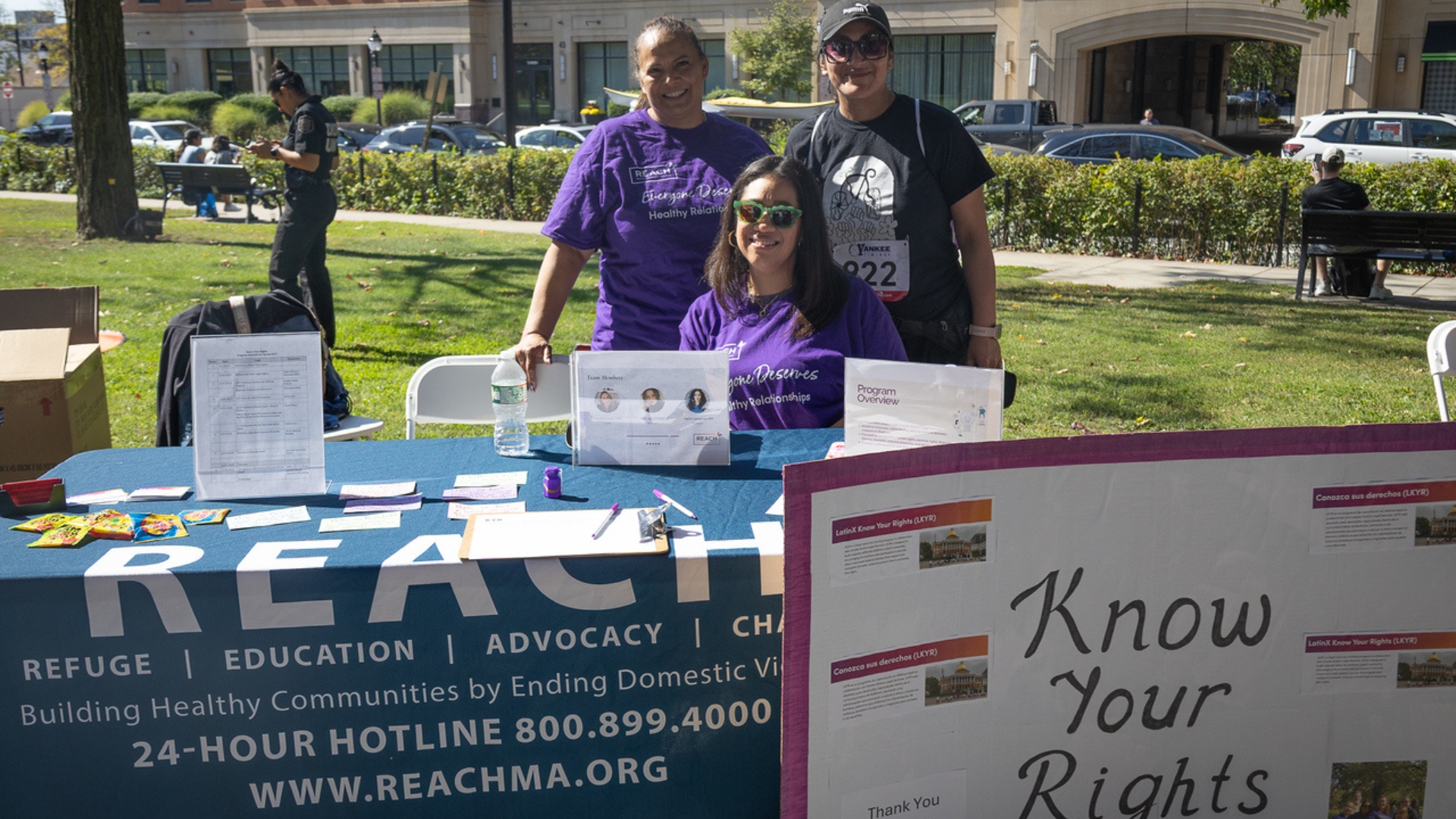
REACH’s ‘Know Your Rights’ work is another part of this commitment. Through legal education, partnerships, and navigation support, we help survivors better understand and exercise their rights and make informed decisions that support their safety and stability.
Voting is one way to exercise your voice. Whether someone chooses to vote, advocate for an issue, share their experiences, or become involved in their community, survivors deserve to have their voices heard without an abusive partner controlling or limiting that participation.
At a time when federal policy changes are creating additional uncertainty and barriers for many survivors and families—including changes affecting immigration status, public benefits, health care, and economic stability—the ability to participate in elections and have a voice in the policies that shape our communities matters deeply.
For survivors, these decisions are not abstract. Policies made at the federal, state, and local levels can directly affect access to safety, housing, health care, legal protections, economic resources, and the ability to build a stable future.
You deserve to have a say in your country’s political process without fear of reprisal from an abuser. If you’re a survivor who needs additional assistance navigating the voting process or creating a voting day safety plan, you can contact the REACH hotline at 800-899-4000.
