



*Trigger warning: discussions of violence and trauma
This article contains spoilers for The Last of Us and The Last of Us Part II
One of the many universal truths about the human experience is that people can be stubborn. We often don’t like change. We don’t like having to deviate from our routines or shift our opinions on a subject once we’ve made up our minds. Such stubbornness can be a positive trait under the right circumstances, but it can also be destructive, leading us to do or say things we ultimately regret.
This collective dislike of change is a big part of why REACH does the work that we do. Helping survivors after they’ve experienced domestic abuse is obviously important, but what’s equally important is addressing the root causes of domestic abuse. These root causes are often couched in societal, spiritual, cultural, and generational routines that many people see as normal, but which can also perpetuate harmful cycles of violence and abuse without us even realizing it. If nobody wants things to deviate from the “routine,” if nobody steps up and calls these harmful cycles out, then no change ever happens.
One poignant example of harmful cycles being brought to their inevitably destructive conclusion can be seen in The Last of Us Part II, a 2020 video game (later remastered in 2024) from the development studio Naughty Dog.
Justice in an Unjust World
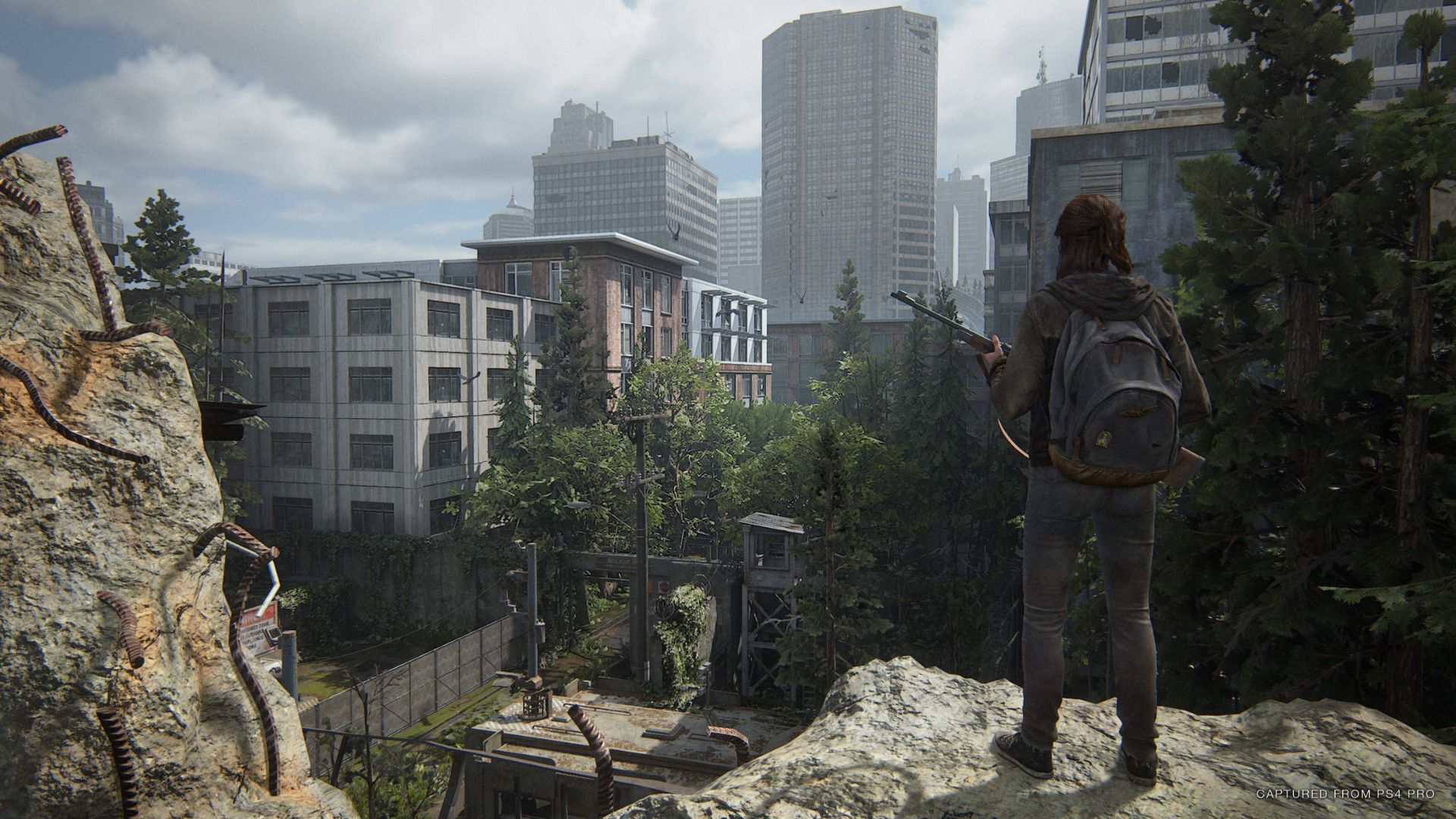
The Last of Us Part II (a sequel to the 2013 game The Last of Us) strives to tell a very human story in a very inhumane environment. Both TLoU Part II and its predecessor are set in a post-apocalyptic version of the United States that’s been ravaged by a virus which turns those who are infected into zombie-like monsters. This forces the remaining human survivors to form disparate groups and resort to extreme tribalism to guard their resources from both the infected and from other groups.
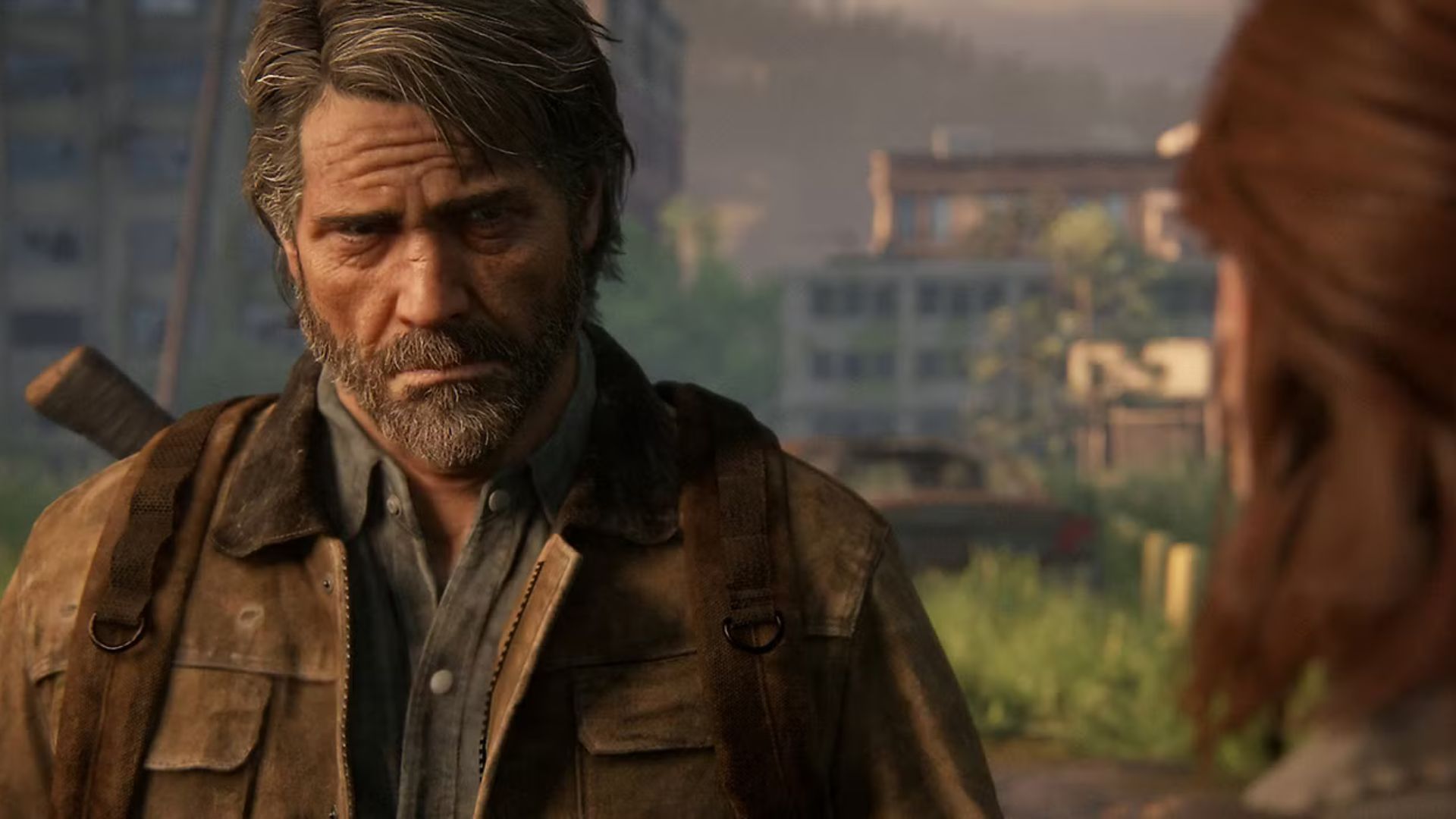
In the first game, players guide protagonists Joel (a grizzled smuggler whose young daughter was killed during the initial virus outbreak) and Ellie (a preteen girl who is somehow immune to the virus) on their cross-country journey to reach a group who can supposedly use Ellie to develop a cure.
As they travel together and overcome many hardships and hostile encounters, Joel and Ellie’s initial dislike and distrust of one another slowly evolves into a strong surrogate father/daughter bond. When Joel learns towards the end of the game that the process for making the cure will kill Ellie, he reacts violently, killing the doctors who were set to operate on her while she’s unconscious from the anesthesia. After Ellie wakes up and asks what happened, Joel lies to her, telling her that the doctors got it wrong, that she can’t help make a cure after all.
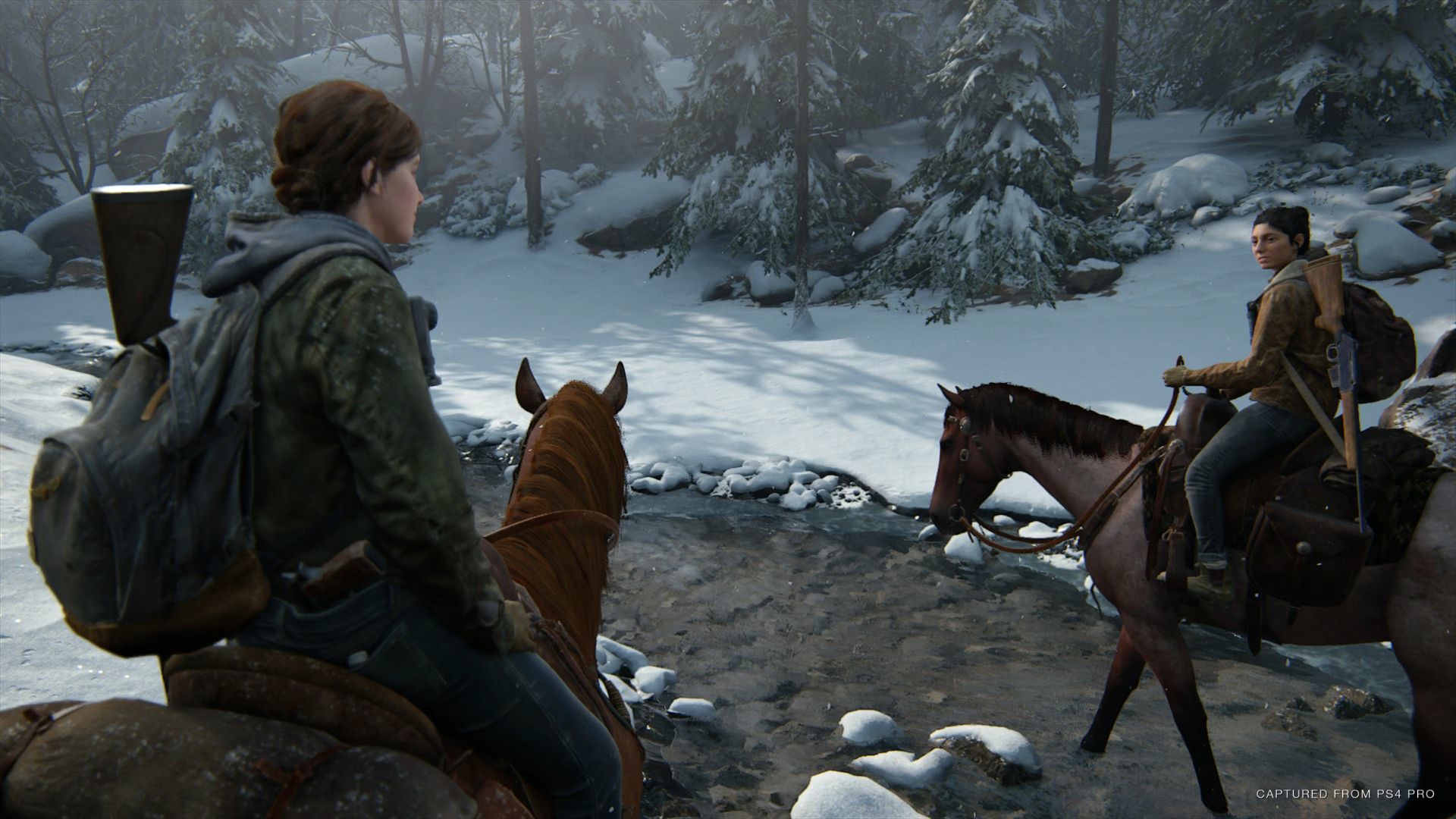
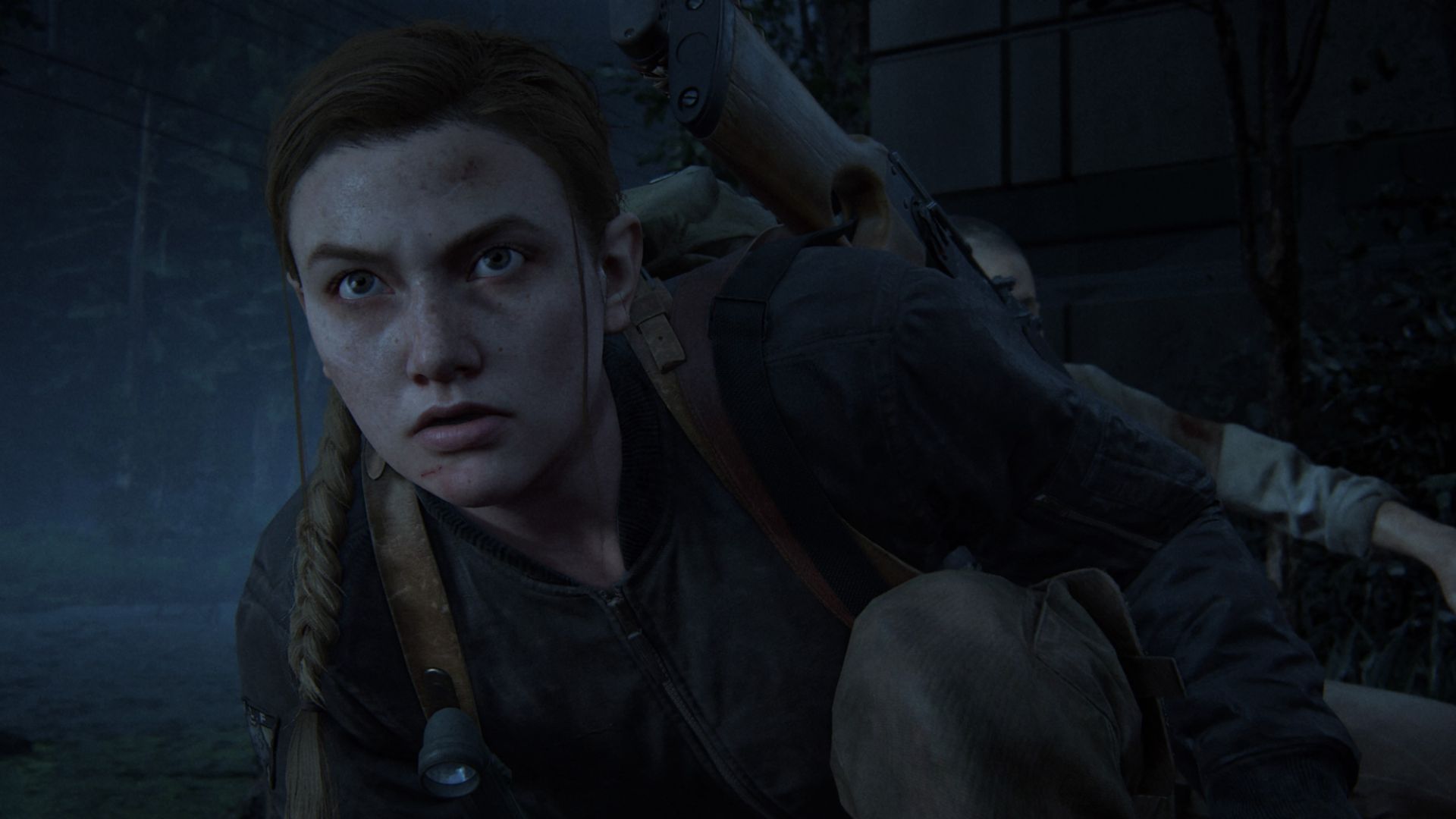
The Last of Us Part II picks up roughly four years after the end of the first game. Joel and Ellie are living somewhat comfortably in a settlement with Joel’s brother Tommy and a large group of other survivors. That comfort is violently disrupted, however, when a second group of survivors shows up. One of the leaders of the group, a young woman named Abby, has some sort of vendetta against Joel, a vendetta she finally makes good on when her group kidnaps Joel and she cruelly beats him to death while Ellie (who tried to rescue Joel) is forced to watch. This naturally leads Ellie to seek vengeance of her own, setting out with her girlfriend Dina to track down and kill Abby.
The Price of Retribution
As Medium user Soho 01 explores in his thematic analysis of TLoU Part II, and as Halley Gross, the game’s lead writer, explains in this interview with Game Pressure, the cycles of vengeance and violence are major themes of TLoU Part II. Through flashbacks, the player learns that Abby’s father was one of the doctors Joel killed when he rescued Ellie at the end of the first game. Abby then spent the following four years piecing together clues and reports she and her friends gathered so she could track Joel down and take her revenge.
While violence is a central theme of TLoU Part II, and while the player must engage in a fair bit of it as part of the main gameplay loop, the game doesn’t glorify or celebrate it. If anything, the game repeatedly shows that violence isn’t something to be celebrated, it’s a horrific act which results in all sorts of lingering trauma. However, in the brutal and lawless world that Joel, Ellie, and Abby inhabit, violence is often the only option they have for resolving conflicts.
Of course, what both Ellie and Abby fail to appreciate (at least initially) while in the throes of their righteous anger is the deep and terrible price one must often pay when seeking vengeance. In her relentless pursuit of Abby, Ellie ends up killing many of Abby’s close friends, and despite gentle encouragement from Dina to give up the chase and return home, she remains stubbornly steadfast in her pursuit even as she watches some of her own friends get killed. While the player controls Ellie during the game’s exploration and combat portions, they have no say in what she does during the plot-driven cinematics, no ability to stop her as her moral righteousness inevitably curdles into senseless vindictiveness.
The Cycles We Trap Ourselves In
In her interview with Game Pressure, Halley Gross reiterates a point that’s quite prominent in both Last of Us games: in this world, there are no heroes.
“Nobody’s a hero here, there’s no black and white. We aren’t interested in explicitly good or bad guys – everybody makes mistakes.”
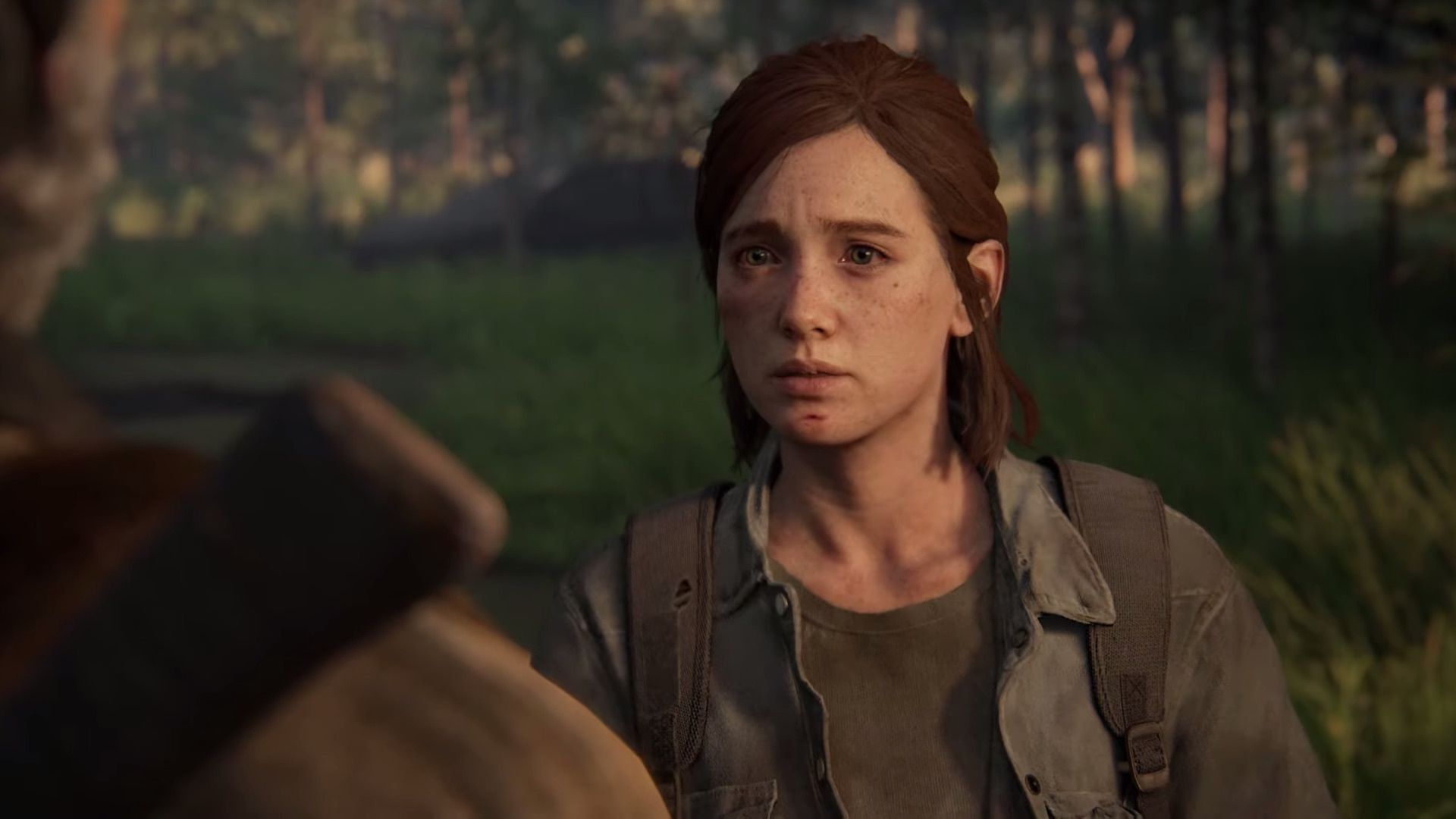
This idea that everyone is capable of both selfless altruism and extreme cruelty is brought to the fore during the second half of TLoU Part II when the perspective shifts and players get to play as Abby in a timeline of events parallel to Ellie’s journey. At the start of this second half, players see firsthand that Abby is part of a community not too unlike Ellie’s, a place where folks care about each other, watch each other’s backs, and support one another. Abby is also clearly grappling with the inner turmoil of whether or not she’s still a “good” person despite her violent nature, and if killing Joel really was the best way to honor her father’s memory.
As game critic Madeline Blondeau explains in this excellent recap of Abby’s portion of TLoU Part II, making the aftermath of Abby’s revenge into a playable portion of the game was a very deliberate choice. It’s an essential journey for both Abby and the player to go through since it shows how we might trap ourselves in a cycle of seemingly “righteous” violence without even realizing it:
“This is what elevates The Last of Us Part II from an impressive work of interactive art to a vital one. [Game Director Neil] Druckmann and Gross’ choice forces players to re-contextualize their own actions in a way dialogue wheels and ‘perfect stealth’ medals simply cannot. After Ellie has descended into outright myopic sociopathy through several dozen murders en route to Seattle, players must weigh their own culpability in perpetuating a cycle of violence through one of the cycle’s other victims.”
As players guide Abby on her own journey to reunite with her friend Owen, she encounters a pair of siblings named Yara and Lev who have fled from a survivor group called the Seraphites. The Seraphites are a zealous religious group that’s long been engaged in a bitter and bloody conflict with Abby’s own group, the Washington Liberation Front or WLF (the WLF dehumanizes the Seraphites by referring to them as “scars,” while the Seraphites utilize similar tactics by calling WLF members “wolves”).
Abby’s time spent with Yara and Lev forces her to acknowledge that the world, as brutal and dangerous as it may be, isn’t as simple as “my group good, your group bad.” Despite Ellie being largely positioned as the “main” character of TLoU Part II, it’s Abby who first starts to realize that perpetuating harmful cycles of violence only ever leads to more pain and more trauma. Much like the relationship between Ellie and Joel in the first game, Abby’s initial distrust of Yara and Lev slowly gives way to a begrudging partnership of convenience, and then eventually to full on caring and trust.
During a climactic moment late in the game, Yara distracts and is then cruelly executed by several senior WLF members to give Abby and Lev time to escape. When Lev angrily chastises a now disillusioned and emotionally drained Abby for what “her” people have done, Abby’s response perfectly summarizes the crux of her emotional journey: “You are my people!”
Soho 01 explains in his essay how one of the biggest pitfalls for both Ellie and Abby is that they were born into a world driven by violence and the “othering” of groups that aren’t their own. A cycle that was inadvertently started by Joel (for somewhat noble, yet also selfish reasons), is continued by Abby, and then by Ellie. All three characters are forced to reckon with the long-term consequences of their actions while living in a world whose very nature discourages hesitation and “half-measure” solutions:
“Both characters are unable to come together and realize how similar they are, even though they are on different paths. Although this is a result of the plot and no fault of their own, it is clear that a simple conversation would probably have prevented a lot of the bloodshed.
This is a summary of the key reason why the cycle of vengeance persists: the two parties are not able to interact with each other in a productive manner but have rather placed their focus on how much they can take from the other, without accounting for what it will take from them. For Abby, it was Joel’s life, without considering how it would affect Ellie and Tommy. For Ellie, it was anybody that came between her and her quest for vengeance, not thinking about what it would cost her — even when the cost was everything.”
Throughout both the Ellie and Abby portions of TLoU Part II, the game continuously reminds the player of the cost that both protagonists are paying in ways both big and small. Blondeau mentions in her article some of the more subtle steps Naughty Dog took, such as giving all of the “nonessential” NPCs (non-player characters) actual names which *other* NPCs will cry out in shock whenever they see the player (controlling either Ellie or Abby) kill them.
Again, as Blondeau explains, the point here isn’t to constantly shame or guilt-trip the player, but instead to help them feel the weight of their decisions, and of the choices that both Abby and Ellie made to be put on their respective paths:
“As such, life is as cheap as it is precious in the game. Characters with hours of exposition die fast, with no warning and no time to grieve. Everybody has a cause to kill for, and most of them will die for it as well. Nowhere is safe, and nothing is sacred. NPCs beg for their lives as they panic over the corpses of their friends. To add to this, guns are slow - squeezing the PlayStation 5’s impulse trigger makes even pistol fire feel as heavy as musket shot. Where I’m eager to gun down innocents and enemies alike in many games, Part II makes every single shot feel like a decision versus reaction.”

Finding the Strength to Enact Positive Change
While the circumstances that Ellie and Abby must navigate are obviously much different than what we see in the real world, the conclusions they both ultimately reach closely mirror the mindset that REACH takes as part of its prevention programming.
In the final third of the game, it almost feels as if Ellie has become a sort of villain, still unable to forgive Abby several months after the confrontation that ultimately occurred once they finally found each other. Ellie had killed several of Abby’s close friends by that point, and Abby was ready to kill Dina as retribution, her hand only being stayed thanks to a timely intervention from Lev. When Abby sees in Lev’s pleading eyes all the pain and trauma and violence they’ve experienced together (including the death of Yara), she finally realizes that all she’ll earn by killing Dina is more blood on her hands and likely more dead friends to bury.
After a months-long time skip, both Ellie and Abby have grown into parental roles, Ellie to the baby she and Dina are raising together and Abby to Lev in the wake of Yara’s death. However, when Ellie hears that Abby’s been spotted within travelling distance of her and Dina’s farm, she immediately starts preparing to leave, and the player realizes she hasn’t been trying to settle down and move on, she’s just been waiting. Dina, whose initial support of Ellie’s quest for revenge died along with the friends they both lost, angrily gives Ellie an ultimatum: If Ellie chooses to leave, Dina and the baby won’t be there when she gets back. Ellie leaves anyway, still drawn to Abby by her unceasing and trauma-fueled need to avenge Joel.
The final segment of the game centers on a tense duel between Ellie and Abby on a remote beach. Ellie, having rescued a severely dehydrated and emaciated Abby from a local group of traffickers after they kidnapped both her and Lev months prior, is still determined to finally get her revenge. Abby initially refuses to fight and instead pleads with Ellie to just let her and Lev leave. It’s only when Ellie holds a knife to Lev’s throat that Abby finally acquiesces and musters what little strength she has left for a fight that she knows will only end with one of them dying.
After a vicious exchange of knife slashes, stabs, and punches, Ellie eventually manages to wrestle Abby so that her head is underwater, holding her by the throat, knowing Abby is too weak to break her grip. Given everything that’s happened up to this point, the player fully expects to watch Abby die. But then, as she watches Abby struggle and thrash in the water, the revenge she’s been craving so close at hand, Ellie releases her grip at the last moment, sparing Abby’s life.
It’s never made explicitly clear why Ellie has a sudden change of heart when she’s right on the cusp of her goal. Maybe it’s because she remembers the half-dead Lev lying nearby and realizes Abby is trying her best to atone for the violence she caused. Maybe it’s because she feels some sort of cosmic obligation since Abby spared Dina. Maybe she realizes in that moment that Abby living or dying won’t change the reality that Joel is still dead, and that she’ll likely never see Dina and their baby again.
Either way, the only thing left for Ellie to do is tell Abby to take Lev and go while she sits forlornly on the beach and cries. It’s all she can do. She’s finally broken the cycle, but in that moment she also finally realizes, much as Abby did all those months earlier, the true cost she’s had to pay.
Accepting the Pain of What We Don’t Know
One final flashback shown before the game’s ending credits helps provide context to Ellie’s unceasing pursuit of Abby throughout the game. An earlier sequence in the game shows that, shortly after the first game’s conclusion, Ellie discovered what Joel did, and the lie that he told her to cover it up. She’s understandably furious, not just because he essentially doomed the human race, but also because she didn’t get to make the choice of living or dying for herself, he made it for the both of them. She agrees to return with Joel to the settlement with Tommy, but she also bitterly tells him that as far as she and him are concerned, he should just consider them strangers from that point forward.
In the pre-credits flashback, we see Joel and an older Ellie finally starting to make amends. After years of Ellie resenting Joel and pushing him away, and Joel doing his best to watch out for her from afar despite her protests, Ellie is finally ready to let the rift between them start to heal. “I don’t know if I can ever forgive you…but I’d like to try,” she says to a visibly relieved Joel. The cruel irony (which the omniscient player is forced to bear) is that this conversation happens literally the night before when Abby shows up and brutally kills Joel with Ellie as witness.
Ellie only being able to see Abby as the person who murdered her surrogate father just as they were starting to reconcile makes it easier to understand her fierce need for vengeance. The added pain of Ellie finally being ready to let Joel back into her life, only for Abby to callously snatch all of it away, is the perfect catalyst for the irrational, stubborn id that exists in all of us otherwise rational beings. Ellie does still choose to indulge in a cycle of violent retribution (much as Abby did before her), but whether that’s more because of who she is or more because of the world that shaped her is ultimately left to the player to ponder for themselves.
Halley Gross and the other TLoU Part II writers have been careful to avoid classifying the game’s story strictly as a cautionary tale. It is partially that to some degree, but it’s also a story about how our traumas can shape us, and about how hard it can be to choose peace over violence when an outsider invades our space and hurts someone we care about.
It feels too simple to say that always choosing forgiveness is the best way to help end the cycles of abuse that lie at the root of domestic violence. There’s no one-size-fits-all solution for that sort of problem. However, if we’re able to better see the harmful patterns that enable the perpetuation of violence (domestic or otherwise) in the first place, we’ll hopefully be that much better equipped to address and change them. If a video game of all things can help us do that, then so much the better.
