



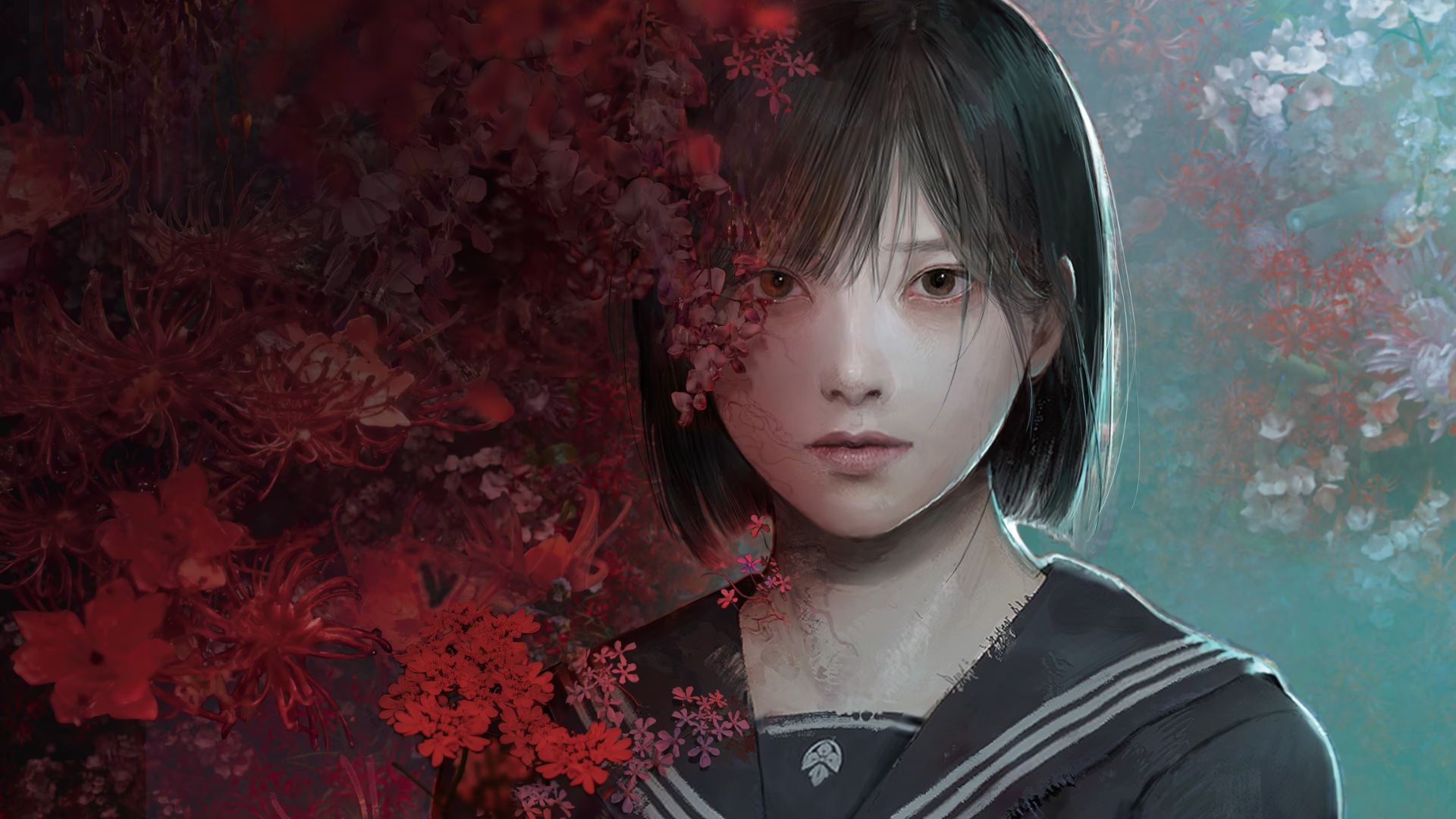
*Trigger warning – themes of trauma, horror, violence, cultural abuse, domestic abuse, and violence against women
This article contains spoilers for the video game Silent Hill f
My mother. If I had to choose one word to describe her, it would be... pitiful. She's the one who bears the brunt of my father's violent moods and malicious abuse. When I was younger, she used to protect me from him, so I didn't hate her back then. But maybe I do hate her now.
Even as my father screams in her face, throws bowls at her, and sends her out for alcohol late at night, she remains ever loyal to him. I just cannot, will not, accept her way of life.
These words, which are not spoken but rather written down, are some of the first words the player comes across in Silent Hill f, the 2025 psychological horror video game published by Konami and developed by NeoBards Entertainment.
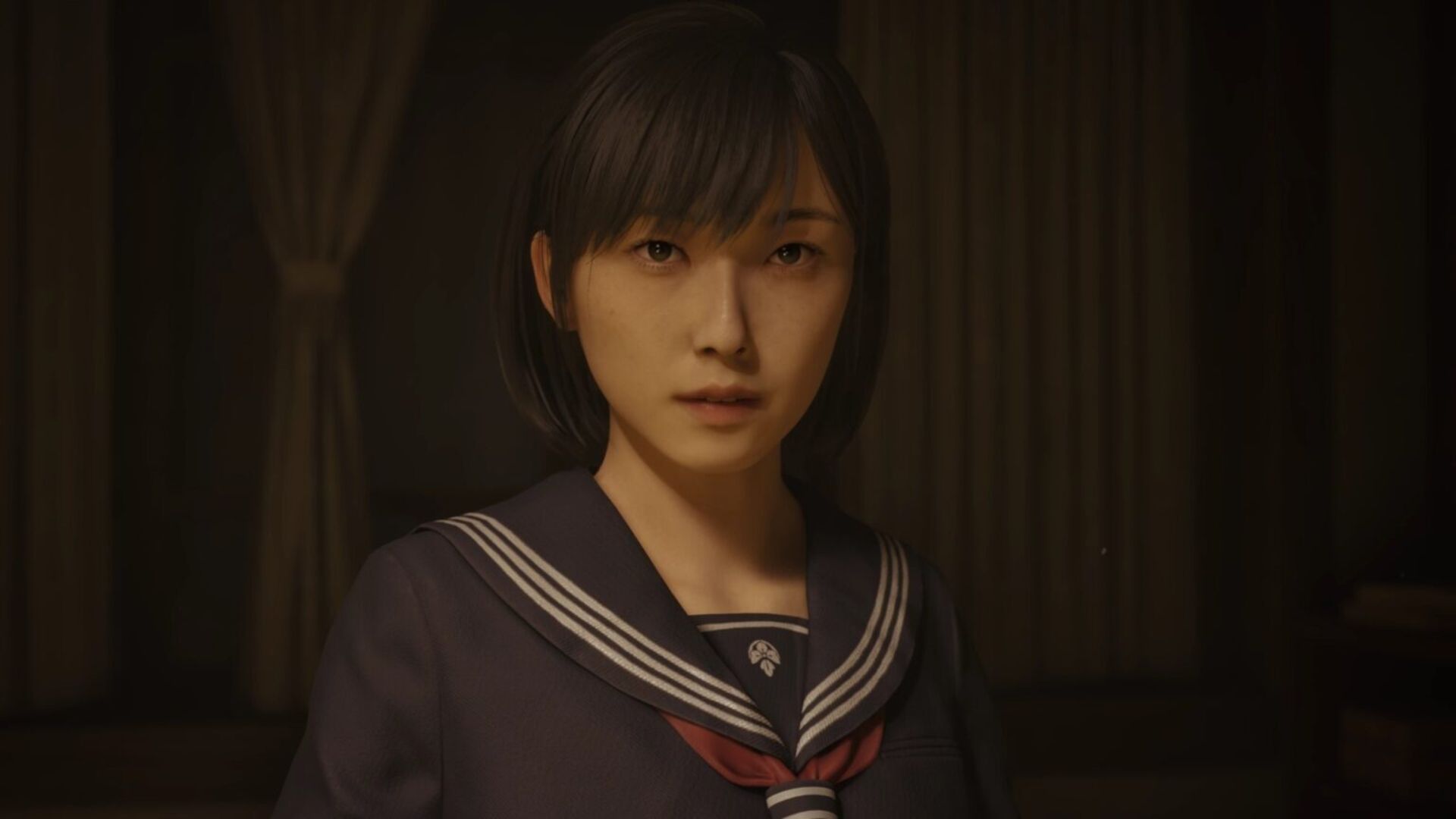
Silent Hill f’s focus on themes of domestic abuse is made apparent right from its opening cutscene. The player watches as protagonist Hinako Shimizu, a 16-year-old Japanese high school student, storms out of her house after weathering a tirade of shouting and verbal abuse from her drunken father. Hinako’s mother pleads with her not to go, but Hinako brushes her off, saying she’s going to go meet her friends before hurriedly closing the door behind her.
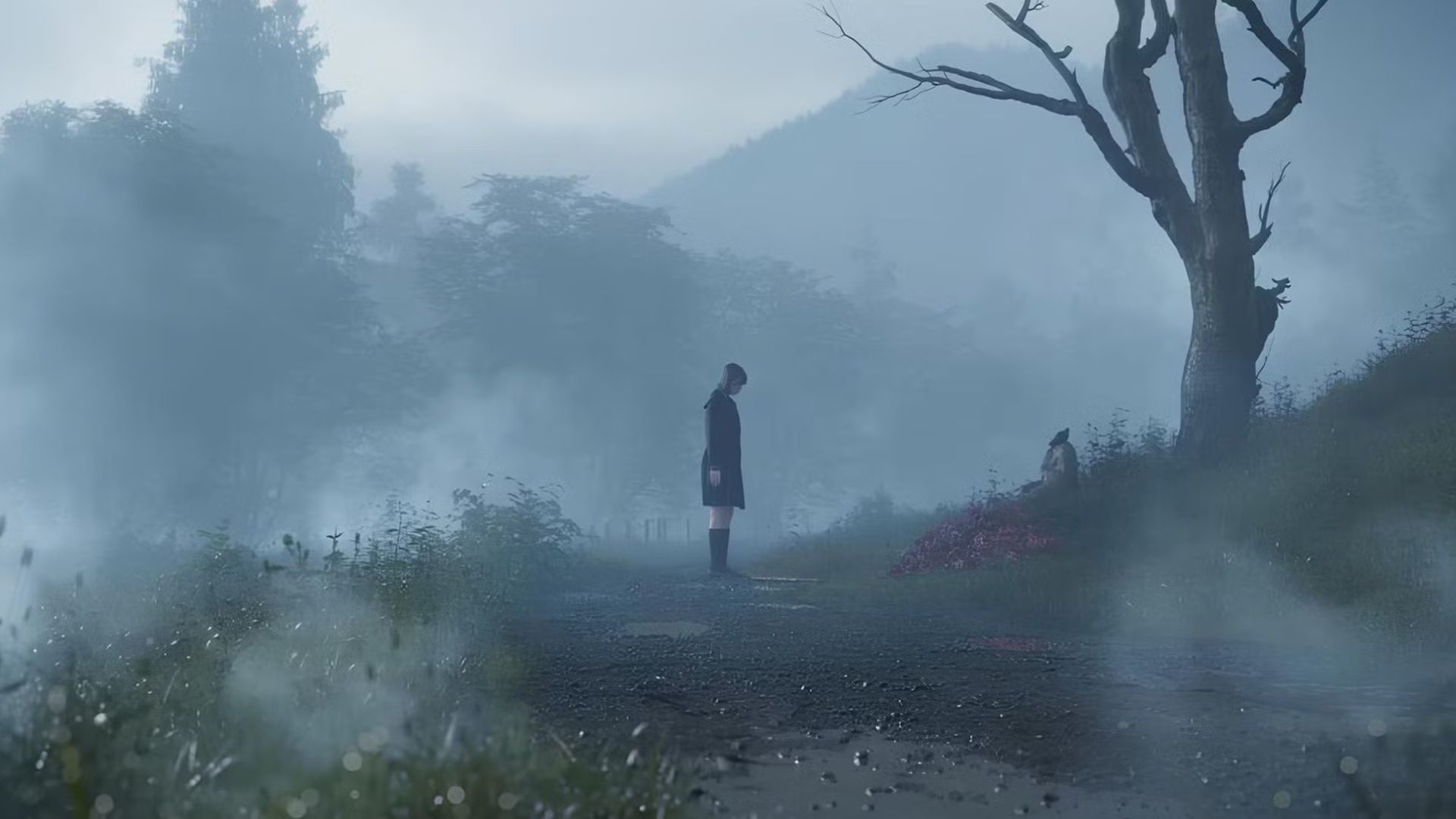
Once the player is given control of Hinako, they’re able to wander around outside, exploring nearby landmarks and soaking in the eerie stillness of the surrounding fog-enshrouded countryside. Along with guiding Hinako around, the player can also read her journal, which contains entries on all of Hinako’s friends and family, including the above passage about her mother.
Through reading the journal, the player gets the sense that Hinako’s father has been cruel and abusive towards his family for so long that the sympathy she once felt towards her mother has now curdled into resentment. It’s a perspective that’s no doubt relatable to some survivors, and one which ties into the subject matter we cover here at REACH such as teen dating violence and why survivors choose to stay with their abusive partners.
Of course, this being a game set within the firmly horror-coded Silent Hill series, it isn’t long before Hinako’s domestic woes become intertwined with evil spirits, grotesque monsters, and desperate fights for survival. The Silent Hill series is known for taking the psychological traumas of its protagonists and manifesting them as spooky locales and creatures. In that regard, Silent Hill f is no different, and it even takes on the added challenge of mixing in a large dose of cultural trauma alongside Hinako’s personal struggles.
However, as I’ll discuss in this blog post, I’m not quite convinced that Silent Hill f’s critiquing of culturally sanctioned domestic abuse (and why a survivor might choose to stay or leave) is as constructive as the game’s writers intended.
Silent Hill f’s Place in the Silent Hill Series
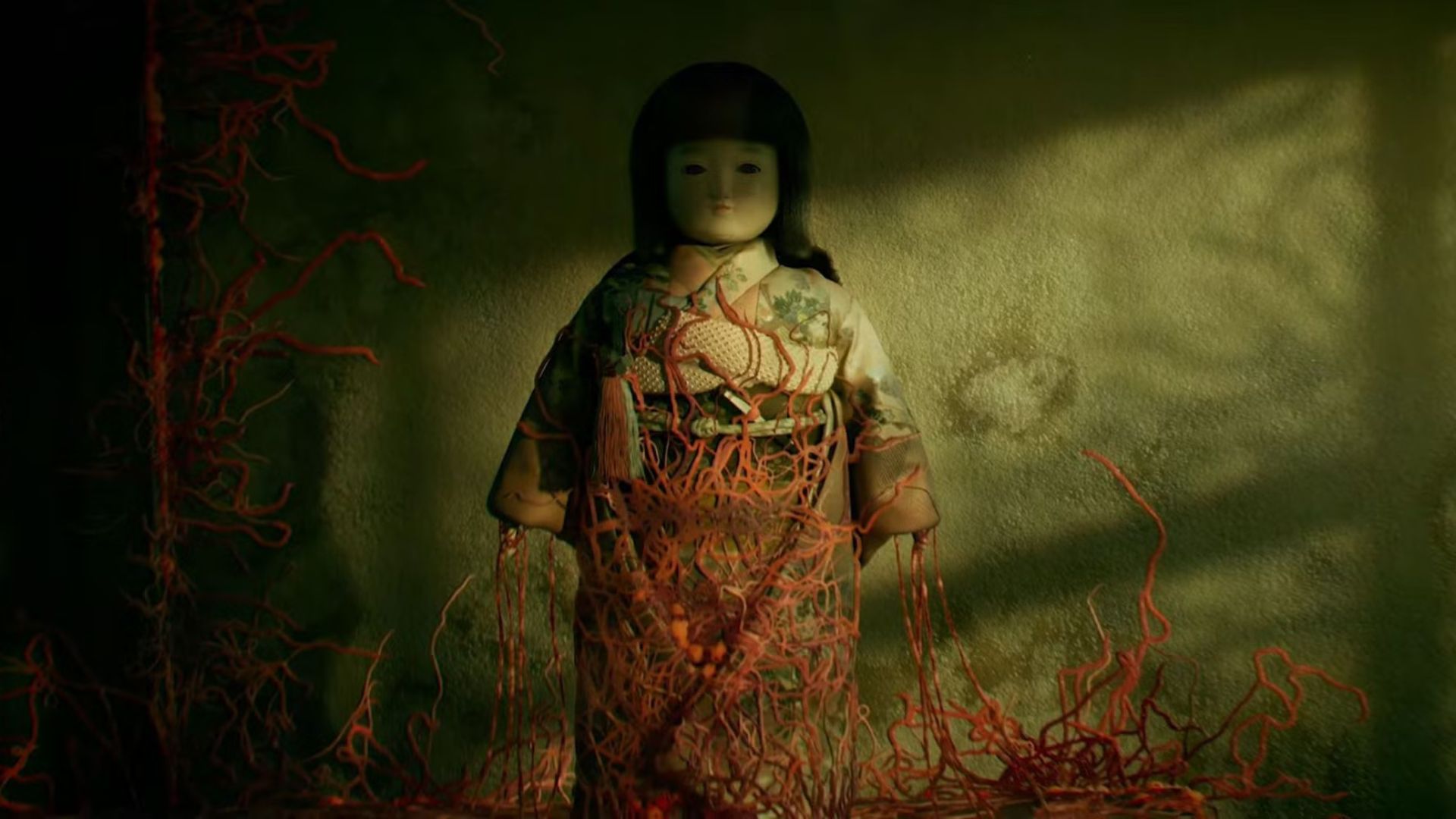
Released in September of 2025, Silent Hill f represents two major milestones in Konami’s venerable horror game series. The first is that Silent Hill f ended a 13-year dry spell for the franchise, being the first mainline Silent Hil game with a wholly original plot (i.e. not being a remaster or remake of an older game) to be released since 2012. The second is that unlike virtually every other mainline game in the series, Silent Hill f isn’t set in the namesake town of Silent Hill during the present day, but rather in a fictional Japanese village named Ebisugaoka in the 1960’s.
With minor exceptions here and there, the Silent Hill series has always focused on the titular town of Silent Hill and the broken people who are drawn to it. The established fiction has never given the town a specific geographical location, though older entries in the series hint that it’s located somewhere in the New England region of the United States.
Considering how iconic Silent Hill (the town) has become to fans since the very first Silent Hill game arrived way back in 1999, it’s understandable that those same fans reacted with surprise when Silent Hill f’s drastic shift in location was first announced. Some fans were upset, saying that any game which doesn’t take place in the actual town wasn’t a “true” Silent Hill game, while others were more willing to wait and see how NeoBards’ reimagining of the Silent Hill “formula” would turn out.
Past Silent Hill games found success by taking very relatable traumas and fears (such as the fear of losing a child, watching a loved one slowly succumb to a terminal illness, or guilt over unintentionally inflicted harm) and transforming them into literal monsters the player must run from or fight. Silent Hill f goes one step further by mixing cultural traumas in with the personal, presenting protagonist Hinako as a young woman who’s desperate to escape both her father’s abuse and the cultural expectations that he and others are putting on her.
The Ties that Bind
As other critics have already explored, Silent Hill f leverages the series’ emphasis on allegory, metaphor, and symbolism to explore complex issues such as gender discrimination, patriarchal ideas of “womanhood,” and the shame of being forced into silent servitude. For the game’s story, NeoBards recruited a prolific Japanese writer who goes by the author handle “Ryukishi07,” and whose previous experiences as a social worker inspired him to produce emotionally raw literary works in the horror genre such as his ‘When They Cry’ manga series.
A core part of Hinako’s personality is her rejection of “traditional” expectations of womanhood and femininity, especially after seeing what those expectations did to her mother. In an interview with Games Radar, Ryukishi07 explained how it was a deliberate choice to present Hinako as more than just a reactionary victim, focusing instead on her actively coming to terms with her own personhood and trauma:
"Up until now, I have played every Silent Hill game. One thing I noticed is that many of the female characters [in the Silent Hill series] are put through a great deal of suffering throughout their lives, which is why I thought, if this game is going to have a female protagonist, then I want her to be able to make her own decisions. For better or for worse amid her struggles,” said Ryukishi07. “I don't want her to just be pulled along by the story, but to find her own answers. That was the kind of protagonist – or, at least, the kind of story – that I wanted to create."
Tying into Hinako’s rebellion against traditional norms and her disdain towards her parents’ domestic strife is the compounding issue that, as the player learns over time, her father has pressured her into an arranged marriage. Per the arrangement, Hinako is set to marry a young man named Kotoyuki, who hails from a wealthy family, to help pay off her father’s mounting business debts.
Hinako’s older sister Junko, who is already married, seems happy enough with domestic living, but Hinako is understandably not thrilled at having virtually no say in a decision that will drastically impact her life. Hinako’s subsequent journal entries also reveal a simmering resentment she feels towards Junko not only for leaving her to deal with their parents on her own, but also for giving herself over so easily to a life of patriarchal servitude.
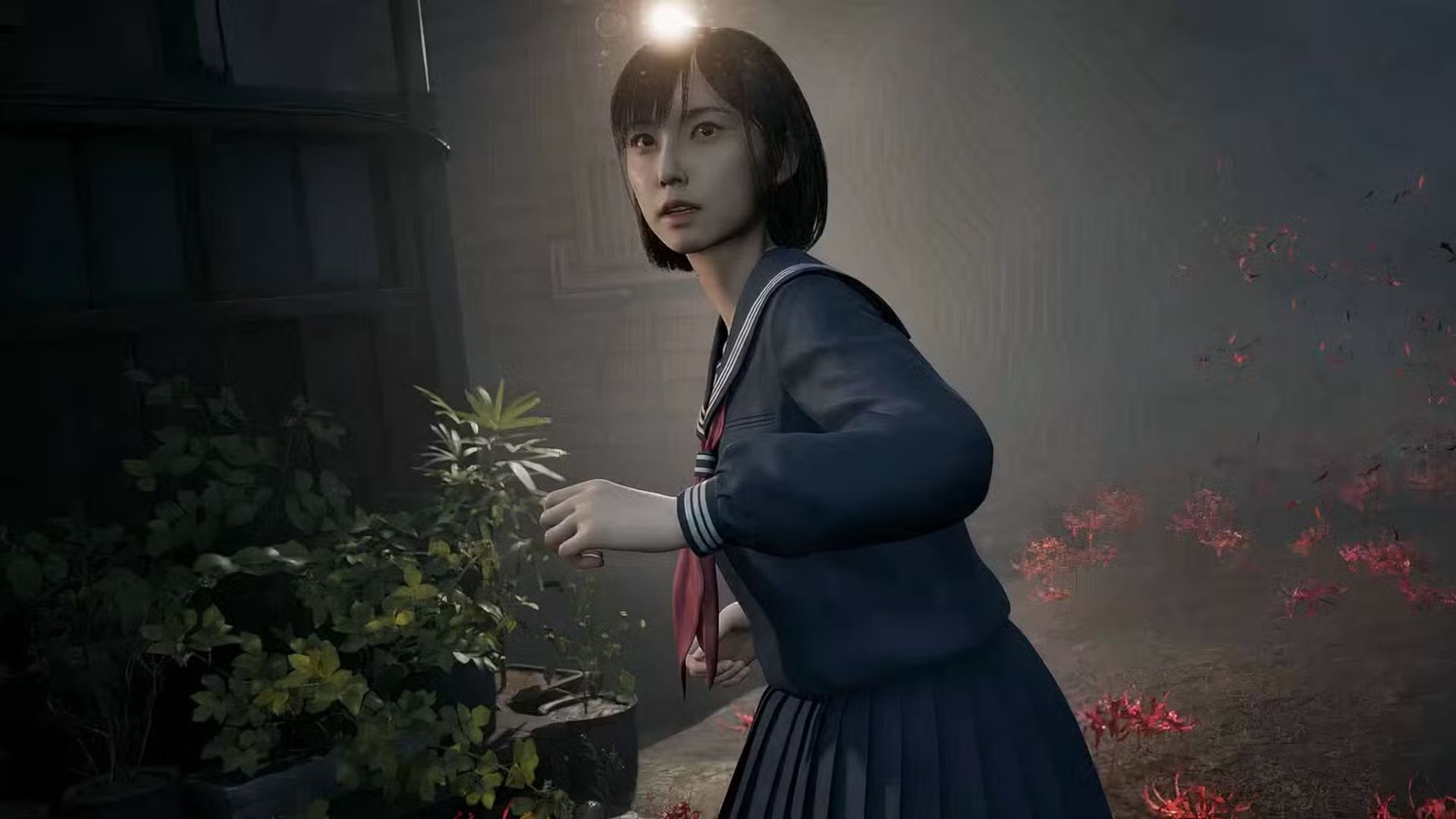
Hinako’s fear of becoming just like her sister and mother, of having her identity stripped from her as she’s forced into a loveless and potentially abusive marriage, encapsulates much of Silent Hill f’s “otherworld” sections. These sections of the game are woven into the main narrative of Hinako’s journey through a haunted Ebisugaoka, further distorting Hinako’s (and the player’s) sense of time and space. Unlike Ebisugaoka, which has a standard map and distinct landmarks such as a general store and Hinako’s high school, the otherworld is much more dreamlike in appearance, and is perpetually covered in an oppressive black sky.
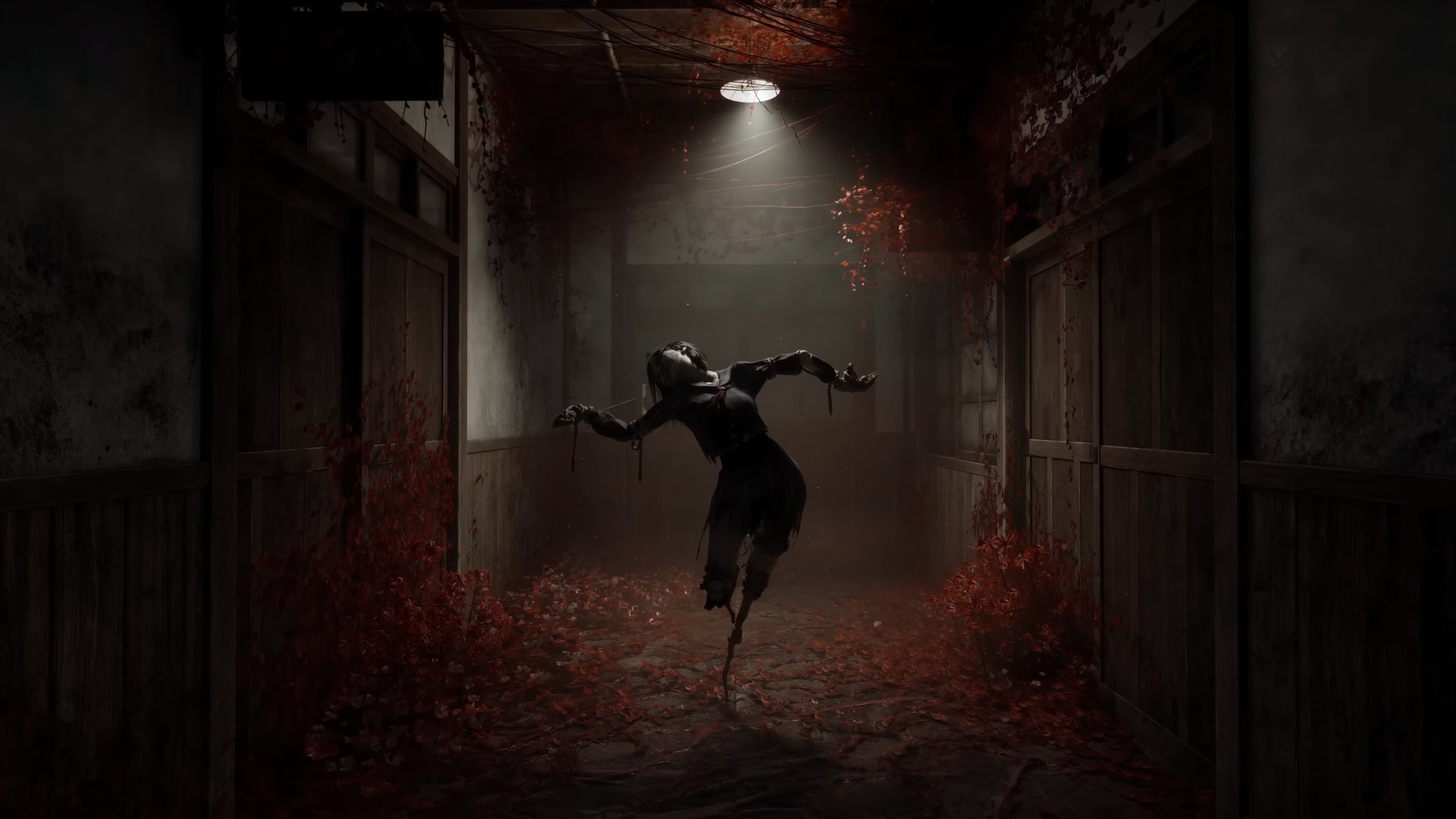
In the otherworld, Hinako is guided along by a mysterious man wearing a fox mask, and eventually the player learns that the entire otherworld is a manifestation of Hinako’s greatest fear: the wedding day she knows she can’t outrun. The man in the fox mask is revealed to be a manifestation of Kotoyuki, and the various trials and rituals he’s been guiding Hinako through are meant to “transform” her into his ideal bride. Much as Junko is always seen wearing her bridal robe and an unnerving owl mask (representing the loss of her old identity), Hinako too must don her own fox mask and give up who she was for the sake of her new husband.
This being a Silent Hill game, Hinako’s otherworld transformation (which includes having the fox mask grafted onto her face and a mark being branded into her back) ultimately morphs her into a literal monster, enrobed and towering with great height. As writer Grace Benfell explains in her exploration of how Silent Hill f embodies the “horror of the home” that many women must face, there is clear subtext in a scene towards the end of the game where Hinako finally faces her parents.
“When Hinako returns to her home a final time, as a blushing, monstrous fox bride, her weeping father forbids her from returning. Her bridal gown severs her from home and veils the relationships which came before. To underline the point, Hinako seizes both her father and mother with her gigantic hands and crushes them in her fist.
From the very start, Hinako’s relationship with home is fraught and dialectic. It is the source of a loving relationship with her sister, who is now married and absent. It is also the site of her father’s abuse and mother’s acquiescence. Yet leaving home does not represent a relief from these tensions or a possible reuniting with her sister. Instead, it represents a new kind of alienation. Another home, still not one of Hinako’s own, which undercuts her connections with her friends and loved ones.”
The dreamlike scene of Hinako killing her parents foreshadows the game’s first proper ending in which Hinako is condemned to a fate where she suffers a psychotic break on her wedding day and murders her family and friends. But what seems like a tragic, violent, and inescapable ending is actually just one of several potential conclusions to Hinako’s story, and one small part of a larger narrative that encourages the player to go all the way back to the beginning.
Peeling Back the Layers
In a time when online multiplayer-centric “forever” games exist, developers of more story-driven single-player games have faced the challenge of adding more “value” to the experience beyond what players encounter in their initial playthrough. One such method which has proved fruitful is the inclusion of a “New Game Plus” (or New Game+) mode.
New Game Plus essentially allows the player to start over at the beginning of the game while keeping all the upgrades and special powers they unlocked during their first playthrough. This provides a fun sort of power fantasy as enemies and obstacles which may have frustrated the player in their first playthrough are now much easier to overcome (though some games automatically bump up the difficulty in New Game Plus to compensate).
Like many games before it, Silent Hill f comes with an optional New Game Plus mode. However, *unlike* most other games, Silent Hill f’s New Game Plus does much more than simply carry over Hinako’s upgraded skills and abilities. New Game Plus playthroughs in Silent Hill f open up entire new areas of the game world and contain new and altered story cutscenes, granting players deeper insights into Hinako’s domestic life and traumas.
Perhaps most importantly, it’s only in the New Game Plus playthroughs that players are able to reach the four different alternative endings to the game that NeoBards developed. As any fan will tell you, having multiple potential endings is another staple of the Silent Hill series, but previous games often purposefully left it up to the player to decide which ending they considered to be “true” or “canon.” In Silent Hill f, it takes three full playthroughs to reach what NeoBards labels as the “true” ending, and it’s only during a brief cutscene late in the third playthrough that Hinako finally reckons with her parents’ domestic issues.
The Masks That We Wear
Silent Hill f’s late-game narrative involves an extended sequence where the player (controlling Hinako) explores a distorted, nightmarish version of Hinako’s childhood home. Throughout this portion of the game, Hinako encounters life-size memories and flashbacks of her tumultuous childhood, memories which include her parents, Junko, and her high school friends. In subsequent New Game Plus playthroughs, these memories change and shift, and in some cases the figures in the memories are even able to acknowledge and converse with Hinako directly.
The below cutscene, which again is only viewable during a third playthrough of the game, is one such case. *Some added context and content warnings for the below video: while Hinako has ripped clothing and noticeable wounds and blood on her body, there are no monsters, acts of violence, or other scary elements featured in the video, only the conversation between Hinako and her mother (Video credit: SuddenlyIndebt).
It’s a powerful scene, thanks in no small part to the haunting music underlying the dialogue and the performances of the actors portraying Hinako and her mother. As someone who works in domestic violence, it’s also a scene that struck a chord with me the first time I saw it, though I’m guessing not in the way that Ryukishi07 and the game’s other writers intended.
To put it plainly, the scene really bothered me (so much so that it inspired the entire blog post you're now reading). I get that it was intended as a sort of cathartic release for both Hinako and the player after spending so much time witnessing the abuse her mother suffered, but to me the messaging felt like it went in the wrong direction. Perhaps there’s some cultural context I’m missing, but if I were to paraphrase what Hinako’s mother is saying, it boils down thusly:
“Your father may have acted like an abusive tyrant towards you and your sister, but it’s ok because he was really kind and sweet behind closed doors, and he was just lashing out because his friend stole all his money. Oh, and I fed him food he didn’t like as petty revenge, so don’t worry about all those times he verbally abused me either, because he learned his lesson.”
Upon reflection, I suspect Ryukishi07 wanted to conjure a sort of fantasy where Hinako’s father was secretly different from most other domestic abusers (and her mother could see that difference). Like many abusers, Hinako’s father sought to maintain control over his household and over his family, but only because he was prideful (as his culture expected him to be) and angry over the betrayal he suffered.
This “secretly a good guy all along” narrative is reinforced during a subsequent cutscene where Hinako watches what is apparently a memory from her past which she repressed. In the memory, her father, seemingly out of the blue, comes to Hinako and begs her forgiveness for having been such a cruel and abusive father her entire life. To her credit, Hinako rejects his apology, saying that one small gesture now doesn’t excuse the many years of torment he put her, Junko, and their mother through. She stays firm in her stance even as her father grovels and offers pathetic excuses such as how he was raised to believe that children are supposed to fear their fathers (i.e. perpetuating harmful cycles of abuse across generations).
Later in the scene, the “present” Hinako who’s witnessing the memory starts speaking to the “past” Hinako within the memory. Present Hinako says that past Hinako doesn’t need to forgive their father, but after her conversation with her mother, she feels he at least deserves to be heard if his apology is genuine (which it seemingly is). Bizarrely enough (and again, this could be a cultural thing), present Hinako’s argument is that, since she’s bound to her father through blood (rather than just through marriage, like her mother), that means that past Hinako is even more obligated to hear him out.
Again, it feels like Ryukishi07 is conjuring a fantasy. In cases of actual domestic abuse, the only times when an abuser apologizes are during the “reconciliation” phase (also known as the “hearts and flowers” phase) of what advocates in the domestic violence world call the cycle of abuse. Abusers use apologies and excuses to downplay and sweep aside their abusive behavior, but apparently Hinako’s father was the one sole exception (a specific cause or reason for his remorseful about-face is never provided).
Given Ryukishi07’s prior experiences as a social worker and his desire to present Hinako as more than just a helpless damsel in distress, it’s disappointing to see how he ultimately resolves Silent Hill f’s domestic abuse plotline. Hinako chooses to not forgive her father, nor forget all the abuse she endured at his hands, but she also accepts the explanations both her mother and father present to her with barely any pushback.
There is a bit of a ‘feminist empowerment’ undercurrent to what Hinako’s mother says about wives not being as helpless as they seem, but that point rings hollow since she still chose to act meek and scared in front of her daughters. Revealing to Hinako after the fact that she was being strong behind the scenes, and that she secretly scored her own victories during her fights with Hinako’s father, doesn’t excuse the harmful example she set.
Going by actual data, abusers don’t de-escalate their behavior or show remorse for their actions when faced with resistance from their partners. If anything, the exact opposite is true. Hinako’s mother doesn’t deserve to be judged for choosing to stay, but it’s outright dangerous to imply that taking a “fight fire with fire” approach is the best course of action when dealing with an abuser.
It’s also important to remember that a woman leaving her abuser while living in 1960’s Japan likely looked a lot different (and had different cultural implications) than what it looks like in American culture now. But that doesn’t change the fact that the reasoning Hinako’s mother gives for staying (i.e. because she could tell her husband’s cruelty wasn’t genuine) comes off as more bewildering than empowering (at least in my opinion).
In fairness to Ryukishi07, it’s not clear whether the cutscene conversations with Hinako’s mother and father actually happened, or if they’re just wishful figments of what she *wanted* to happen. Like any good Silent Hill game, Silent Hill f obfuscates what’s real and what’s just a conjured part of Hinako’s trauma-laden psyche, and it could very well be that not knowing how “real” the scenes are is the point. Personally, I’m of the opinion that Ryukishi07 intended for the scenes to have narrative and emotional weight (which they do), but also that his desire to present Hinako’s father as a “sympathetic abuser” misses the mark.
The culture that Hinako’s father grew up in may have contributed to his abusive behaviors, but it shouldn’t be pawned off as a scapegoat for those behaviors (nor should the anger he feels over the betrayal of his close friend). Similarly, it feels harmful to present Hinako’s mother as an unsung hero because of the quiet courage she apparently demonstrated while her daughters were none the wiser in their suffering.
Monsters and Myths
Given how much Silent Hill f touches on actual Japanese myths and rituals (where meaning is often conveyed through the use of masks and performance), it’s no surprise that masks and the hidden truths they obscure factor heavily into the game’s narrative. However, treating domestic abuse as a convenient mask that Hinako’s father could put on to strike fear into his wife and daughters (and could apparently remove just as easily in private) is an approach that’s neither constructive nor realistic.
With all that said, and despite all the negative points I laid out above, I want to clarify that I still enjoyed my time with Silent Hill f when I played it. I think it’s a well-crafted game with a unique approach to both psychological storytelling and leveraging gameplay to drive the narrative. Still, I feel it’s important to reiterate that, much like the game’s monsters and mythologies, its explorations of domestic abuse feel, to me, like they’re couched far more in fiction than reality.
I commend Ryukishi07 and the rest of the Silent Hill f writing team for addressing the very real harm that cultural pressures can inflict when they’re weaponized by domestic abusers. I just wish they hadn’t tarnished their own messaging by implying that forgiveness in a domestic abuse situation is straightforward and easy, or that abusive behavior is a cloak under which an otherwise good person can conceal their good intentions.
During Silent Hill f’s true ending, Hinako reconciles the two “halves” of who she is (her “fox self” and her “true self”) by accepting what she can’t change and distancing herself from the negative influences in her life (like her parents and her toxic friends). It’s heartening to see Hinako ultimately embrace a life of empowerment and acceptance, since the game’s writing forever condemns her parents to a problematic portrayal of forgiveness in a domestic abuse situation that feels neither genuine nor healthy.
