


As Communications Specialist at REACH, part of my role is identifying issues, events, and conversations that may warrant a response or reflection from our organization. While some topics are clearly connected to our mission of supporting survivors of domestic violence, others invite us to consider how broader social issues affect the communities we serve and the values that guide our work.
These determinations I sometimes need to make highlight a larger issue within the nonprofit sector that writer and former RVC Seattle Executive Director Vu Le discussed in his recent website post ‘Fascism, and why we all need to support trans rights, no matter what issues we're working on.’ I’d encourage you to read Le’s post in its entirety, but the point he makes is that certain causes (such as trans rights) shouldn’t be outright ignored just because they don’t have a direct connection to your organization’s mission.
Le acknowledges the dangers of “mission drift” (i.e. broadening your mission scope too much and thus diluting your impact), as well as the current political climate where speaking out on certain issues can cost you donors and/or funding. Many smaller nonprofits don’t have the luxury of being able to speak out since they’re already stretched thin, and the funding they depend on is already precarious enough without them rocking the boat further. However, as Le explains, there’s a stark difference between not making certain causes a central focus of your mission (but still commenting on them) and not focusing on them at all.
Care Through Connection
Here at REACH, there are many issues we do our best to touch on and share communications about since they connect back to our core mission of supporting domestic violence survivors and understanding the broader systems and conditions that enable domestic violence in the first place. Such issues include (but certainly aren’t limited to):
- LGBTQ+ Rights
- Homelessness
- Legal Advocacy
- Sexual Violence/Sexual Abuse
- Stalking
- Human Trafficking
- Technology Abuse
- Teen Dating Violence
- Elder Abuse
- Food Insecurity
- Immigrants’ Rights
If you’re familiar with the work being done here at REACH and at other organizations within the Jane Doe Inc. coalition, chances are you’ve already seen how the above issues feed into conversations around domestic violence. DV can affect anyone, including teens, senior citizens, members of immigrant communities, and those who identify as LGBTQ+. Abusers can potentially use tactics such as stalking, sexual abuse, technology abuse, and even human trafficking to maintain their power and control. Survivors depend on legal advocacy when pleading their case in court, and homelessness and food insecurity are sadly all-too-common challenges they must contend with both during and after the process of separating from their abusive partners.
We might not discuss these issues as frequently as we discuss domestic violence, but we always do our best to make sure they're part of the conversation. Indeed, we feel that leaving them out of the conversation would be doing a disservice to our community advocates and shelter advocates who work directly with survivor clients and who know firsthand how much these issues are affecting their clients every single day. Supporting the safety, dignity, and belonging of all people, including queer, transgender, and nonbinary people, is very much aligned with REACH's work and values.

Speaking from the Heart
On a more personal note, I’m grateful to the REACH leadership team for supporting my efforts to tie my love of gaming into the work I do as part of my Communications Specialist role. Way back in May of 2024, I published a post on REACH’s social media channels about an incident where a female Twitch streamer was subjected to verbal abuse and rape threats.
The incident didn’t have any direct correlation to domestic violence, but it did open up a larger conversation about how abusive practices towards women are sadly often normalized within the gaming space. These conversations are important to bring up since, in today's social climate, the normalization of abusive practices towards women and other marginalized communities (including the LGBTQ+ community) sadly isn't contained to just online spaces. By sharing posts like the 2024 Twitch streamer post, my hope is that if we can help reduce the stigma of speaking out against online abuse, we can do the same for the stigmas surrounding domestic violence as well.
I’ve done my best to keep those conversations around gaming and domestic violence going via the REACH blog. I interviewed game developer Nina Freeman last year about her game Last Call (which is based on her own experiences with domestic violence). More recently, I started a ‘Gaming for Good’ blog series where I wrote about DV-adjacent issues such as generational cycles of violence in The Last of Us Part II and overcoming toxic masculinity in God of War Ragnarök. At first glance, you might not think there’s a lot of correlation between video games and discussions of domestic violence, but much like Vu Le, I’m doing my best to show that these issues don’t exist within a vacuum.
Empowered Inclusivity
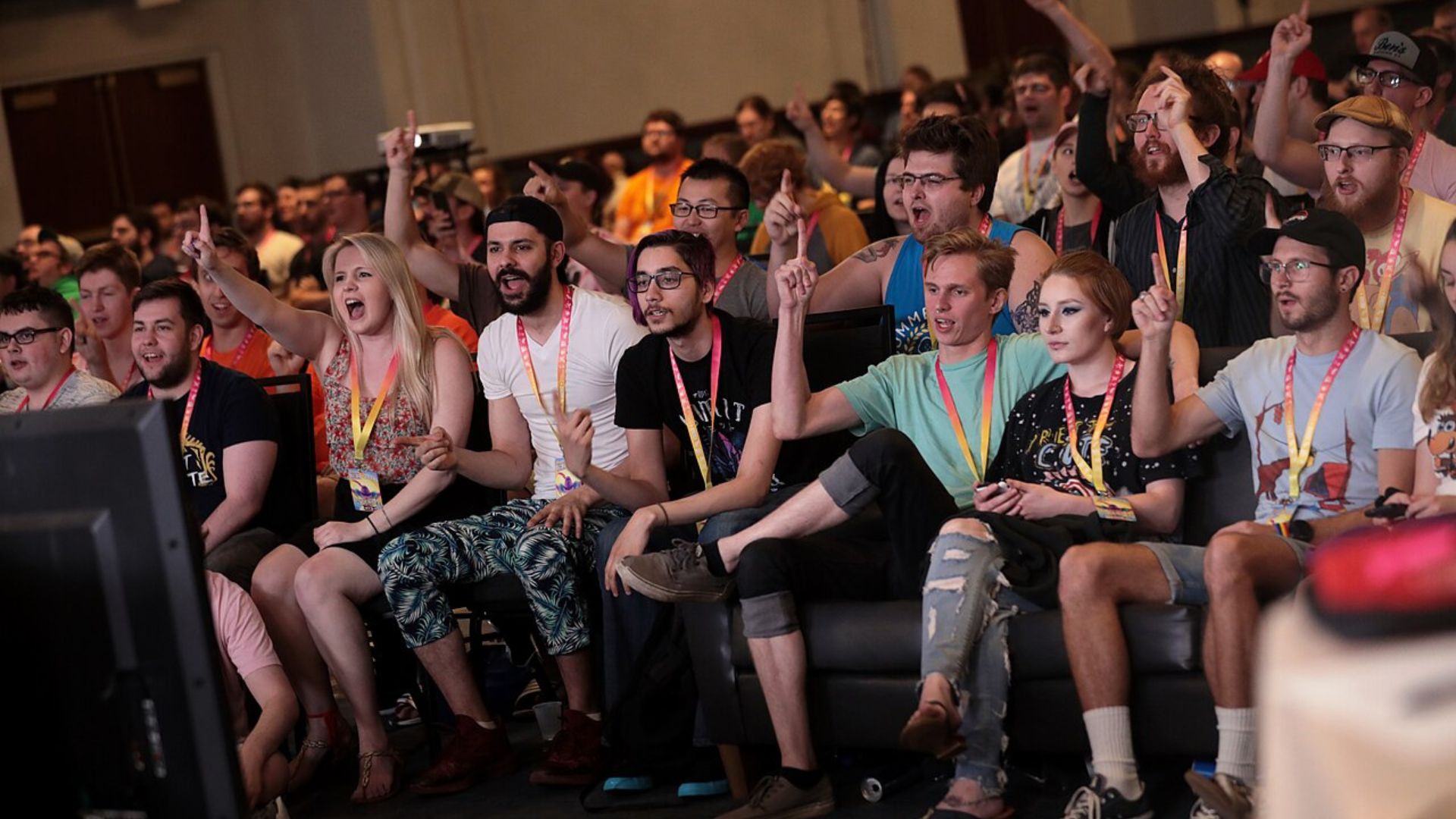
Circling back to the trans rights issue that Vu Le wrote about, I’ll finish up this blog post by touching on yet another unlikely pairing which, over time, has become a powerful grassroots force for good: Games Done Quick. GDQ as it’s colloquially known is a charity video game marathon focusing on the practice of “speed running,” or finishing games in the shortest amount of time possible. Since its founding in 2010, GDQ has grown into one of the largest global fundraising entities thanks to its yearly events which benefit organizations such as Doctors Without Borders and the Prevent Cancer Foundation.
GDQ also proudly promotes their framework of inclusivity and zero-tolerance towards harassment and bigotry. In fact, one of the most well-known cultural traditions of modern GDQ events is for runners and donors to sign off with the phrase “trans rights,” to which audience members will respond by cheering and shouting the phrase back in solidarity. Again, you might not guess that causes such as trans rights, international humanitarian assistance, and cancer research could be so closely interconnected with a hobby like video game speedrunning, but GDQ demonstrates the combined power of outside-the-box thinking and community engagement.
Staying true to your mission and to those who support your mission is important, especially if you’re a smaller organization and/or your focus is on a niche issue. However, writers like Vu Le and organizations like GDQ show that there’s clear value in balancing your steadfast focus with a more flexible perspective. Keep your mission top-of-mind when it matters, but don’t be afraid to tie your messaging in with commentaries or perspectives your audience might not have otherwise considered.
At REACH, we know violence does not occur in isolation. The experiences of survivors are shaped by systems, communities, identities, and opportunities for support. When we engage in conversations about equity, inclusion, and human dignity, we are not stepping away from our mission—we are living our values and recognizing the full humanity of the people we serve.
