



Hello dear reader. My name is Nathaniel Hohl and I’m the Communications Specialist here at REACH Beyond Domestic Violence.
My day-to-day duties largely involve the sharing and promoting of REACH’s various events, initiatives, and programs. If you’ve seen our posts on social media, or you’ve read one of our press releases or email newsletters, then you’re already familiar with my work. Along with my marketing duties, I help manage REACH’s blog, and I’ve even written a number of blog posts myself. Some of my previous posts include an interview with game developer Nina Freeman about how making a game helped her process the trauma of being in an abusive relationship, and a retrospective piece examining how a 1940’s movie played a part in coining the term “gaslighting.”
Another thing you should know about me is that I’m also an avid gamer. I have been ever since I was old enough to comfortably hold a Game Boy in my hands (if you don’t know what a Game Boy is, they were basically what us old-timers used for mobile gaming before all these newfangled iPads and smartphones came around). Now, you might be asking yourself, “why is REACH talking about video games all of a sudden?” It’s a fair question, and one I’ll do my best to answer in this sort of ‘introductory’ blog post for a larger series I plan to publish over the coming weeks.
Why Is REACH Starting This Series?
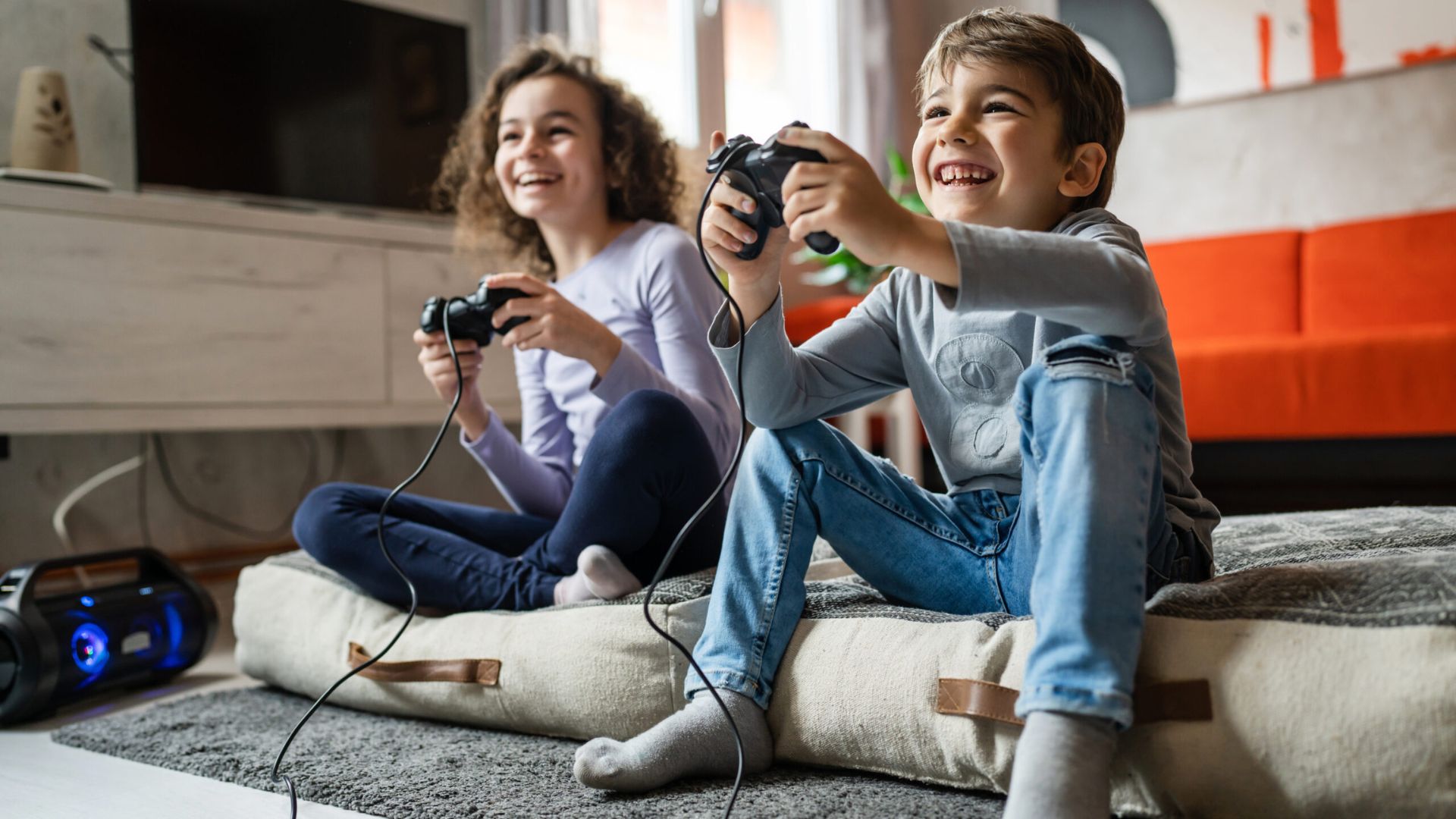
I believe that my experience as a gamer combined with the work I’ve done for REACH gives me a unique perspective into how the two seemingly disparate worlds overlap with each other. You may have your own opinions of gaming and video games, you might even be a gamer yourself. Either way, my goal with this series is to present a viewpoint you might not have otherwise considered.
Advancements in technology and in the tools that game developers use mean that, in my opinion, games can tell stories that are just as impactful and profound as those found in film, literature, poetry, art, and music. Games can inspire us, help us think more critically about the media we engage with, move us to tears, and even help bring people together across vast distances. I’m constantly amazed at what games can teach us, both about ourselves and the world around us, and I hope that by reading this series, you’ll be able to better appreciate games as I do.
My Personal Experience with Gaming
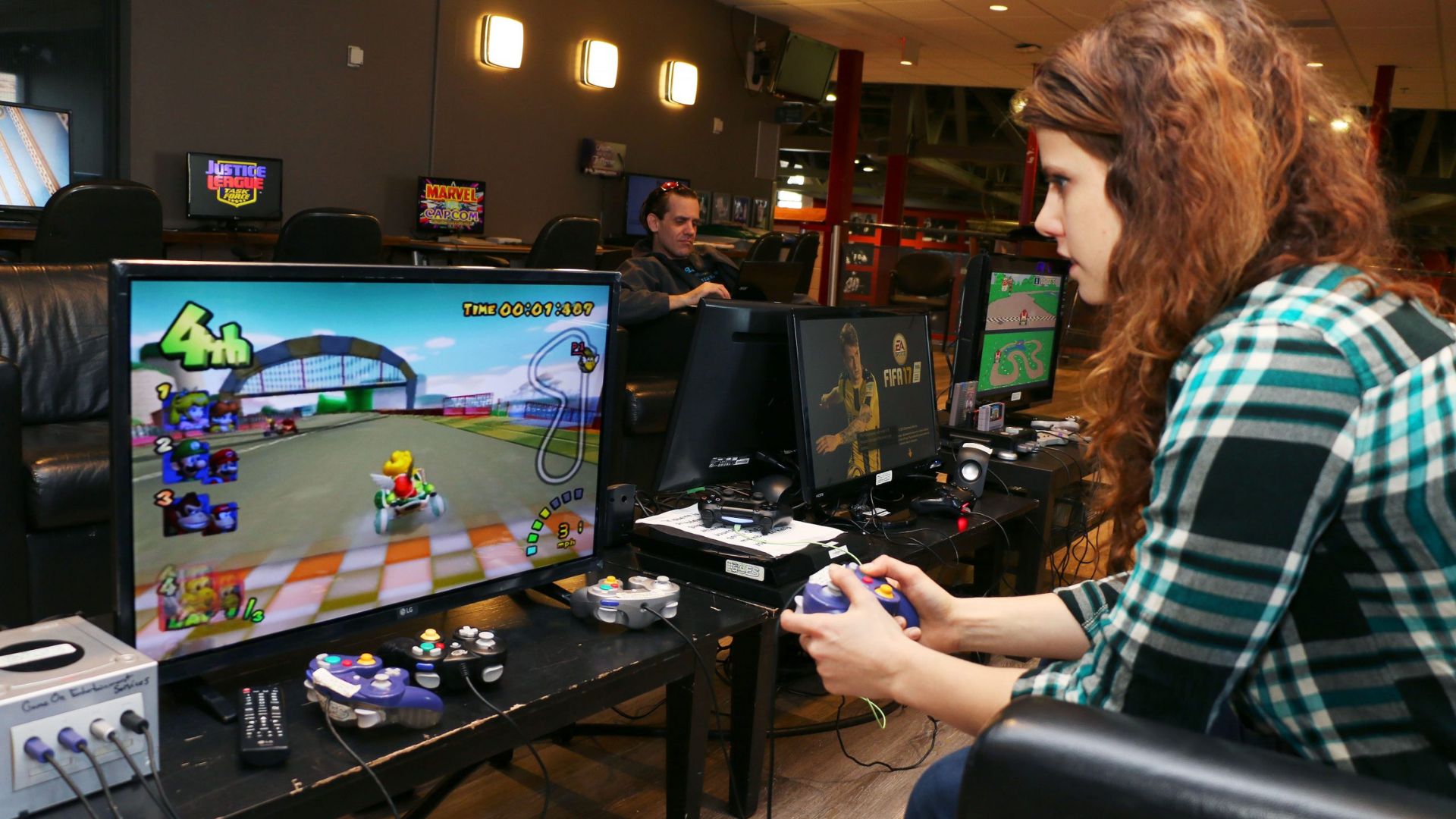
As I mentioned above, I was drawn to gaming from an early age. I grew up playing board games like Mouse Trap, Monopoly, and Sorry! with my siblings. I received my first Game Boy at the age of eight, and two years later I got my first proper gaming console, the Nintendo 64, for my tenth birthday. As I grew older, gaming persevered as one of the few consistent things my friends and I could always bond over and get excited about even as we outgrew some of our other hobbies and pastimes.
More recently, gaming served as a vital lifeline for me, my friends, and my siblings during the Covid-19 lockdown. We couldn’t hang out in person like we once did, but we could all boot up our gaming consoles or our computers and spend hours playing online games together. We’d laugh, joke, cheer, and playfully rib each other as if we were all sitting on the couch together while we played.
Games can certainly be fun if you want to satisfy your competitive spirit or indulge in a little escapism. But for me, it’s their ability to foster creative thinking and problem-solving, as well as their capacity for generating discourse between players, that makes them a truly special sort of artform.

Why This Series is Important to Share
Sadly, if there’s one aspect of society which has been most routinely paired with gaming, it’s violence. More specifically, the influence that playing violent video games can supposedly have on younger players. Even if you’re not a gamer yourself, chances are you’ve at least heard about games like Call of Duty or Grand Theft Auto or Halo or Fortnite, all of which have a central gameplay concept of shooting and killing other characters with guns.
Conservative politicians and media personalities would have you believe that video games are directly responsible for morphing young kids into violent killers and criminals, but as with most things, the truth is much more nuanced. I won’t rehash the many, many, many years’ worth of studies and litigation regarding the “do video games make kids more violent?” issue, but I will summarize it with three brief points:
- Playing violent video games can lead to increased feelings of aggression, but there is no evidence to directly support the idea that playing such games will make a normally non-violent person more violent. For every article or study aimed at vilifying games, there’s another that shows just how much good games can do.
- Violent video games aren’t meant to be easily accessible to younger players. There are systems in place to prevent kids from accessing such games, much like the systems that deter them from seeing R-rated movies.
- There are several emotional, mental, and environmental factors which can determine how violent a person is or how much or little empathy they have. Laying the blame solely on violent video games is a disingenuous and short-sighted approach to an issue which deserves more critical thinking.
Here at REACH, we’re especially sensitive to any issues surrounding violence since violence has unfortunately become a traumatic reality for the survivors that we serve. It’s understandable that survivors would be particularly sensitive to the idea of their children playing video games, especially in situations where they can’t directly monitor what their kids are playing.
My goal with this blog series isn’t to show how great and wonderful games are, or to try and shy away from how violent some games can be. My goal is to offer a different perspective. By reading about the games I’ll be discussing in this series (some of which are, yes, violent games), my hope is that the reader will start to see things differently. For each entry in the blog series, I’ll be discussing a specific game and tying it directly to an issue or idea relating to the work we do here at REACH (issues such as cycles of violence, healing from a traumatic experience, and toxic masculinity among others).
If the unique space I hold as both a gamer and as someone who’s greatly inspired by the empathetic, trauma-informed work that REACH does means I can offer some thought leadership in this area, I’ll gladly attempt to do so. At the end of the day, video games are meant to be entertainment first and foremost, but as with most cultural and creative mediums, they also deserve to be appreciated on a deeper level.
I hope you’ll join me on this little odyssey into the shared worlds of video games and domestic violence advocacy, I promise I’ll do my best to make it both engaging and educational.
Gaming for Good Articles
Examining the Consequences of Harmful Cycles Through The Last of Us Part II
God of War Ragnarök Reckons with the Consequences of Toxic Masculinity
In Clair Obscur: Expedition 33, Trauma is Both a Barrier and a Beacon
Understanding the Abstract of Grief with Gris and What Remains of Edith Finch
Silent Hill f Tackles the Thorny Issue of Forgiving Domestic Abusers
